The Easter Moon: Before Chocolate, Before Commerce

The Easter Moon: Before Chocolate, Before Commerce

Long before Easter eggs filled baskets, before chocolate shops lined streets, and long before calendars locked the date in place, Easter was something else entirely. It was written in the sky, in the rhythm of the moon, in the pulse of the earth.

Easter Follows the Moon

The date of Easter is not fixed…it follows the first Sunday after the first full moon following the March equinox. This full moon, called the Paschal Moon, has been a guide for centuries. Farmers planted by its light, communities gathered under its glow, and cultures celebrated the cycles of life and renewal. The moon became a marker of rhythm, a silent teacher of patience, growth, and reflection.

Before Easter Was a Name

The English word “Easter” likely comes from Eostre, the Anglo-Saxon goddess of dawn, fertility, and spring. Her symbols were hares and eggs, creatures that carry life, abundance, and the unstoppable rhythm of the seasons. Across Europe, decorated eggs were not chocolate—they were sacred, symbols of protection, fertility, and blessings. Hares were honoured for their swift movement, their ability to appear and disappear like life itself, and for their link to lunar cycles.

Before commerce and confectionery, these symbols were stories of survival, hope, and renewal, told by the land, the skies, and the people who lived in harmony with them.

Cycles, Reflection, and Renewal

Easter has always been about cycles: the ending of winter, the promise of spring, the turn of the sun, and the rise of the moon. Communities, whether in Europe, the Pacific, or beyond, honoured these cycles in different ways, but the heart of the season was the same—reflection, gratitude, and the promise of growth.

Christianity and the Lunar Calendar

When Christianity began to formalise its sacred calendar, it did not abandon these rhythms of the sky. Instead, it adopted them.

The dating of Easter was intentionally tied to the moon. In 325 AD, at the Council of Nicaea, church leaders established that Easter would be celebrated on the first Sunday after the first full moon following the March equinox. This linked the resurrection of Christ not to a fixed date, but to a cosmic rhythm – aligning it with Passover, which itself follows a lunar calendar.

Rather than separating faith from nature, early Christianity embedded its holiest celebration within the turning of the heavens. The full moon became a marker of resurrection. Light overcoming darkness. Life emerging from stillness.

From Spring Festival to Sacred Season

As Christianity spread across Europe, it encountered existing spring festivals. Instead of erasing them entirely, many seasonal symbols were absorbed and reinterpreted.

Eggs, once symbols of fertility and new life, became representations of Christ’s tomb – sealed, then opened. During Lent, eggs were traditionally forbidden; when Easter arrived, they were blessed and eaten in celebration. Hares, already associated with spring and the moon, lingered in folklore and eventually evolved into the Easter Bunny.

What had once been agricultural and seasonal symbolism became layered with theological meaning. Renewal was no longer only about crops and sunlight, but about resurrection and spiritual rebirth.

A Sacred Layering

Easter, then, is not one story. It is layered.

It carries lunar timing. Agricultural hope. Pagan spring symbolism. Jewish Passover chronology. Christian resurrection theology.

It is ancient sky knowledge woven into liturgy.

And that is why it still moves people.

A Pacific View: Seasons Without Winter

In much of the Pacific, the rhythm of the year is not marked by harsh winters and sudden springs. Instead, it turns gently between wet and dry, planting and harvest, calm seas and restless tides.

In Samoa and across Polynesia, life has long followed the moon. The lunar calendar guided fishing, planting, canoe journeys, and ceremony. Certain phases were better for planting taro. Others for gathering shellfish. The full moon illuminated reef edges and village pathways. It was practical … but it was also sacred.

The moon was not decoration. It was instruction.

Seasonal change in the Pacific is less about thawing earth and more about cycles of abundance and restraint. There are times of plenty, and times of patience. Times to harvest cacao pods heavy on the branch, and times to prune, ferment, and wait.

And waiting is holy work.

In this way, Easter’s lunar timing makes quiet sense. Even without snow or daffodils, the moon still governs renewal. The equinox still marks balance. The full moon still signals completion and illumination.

For Pacific cultures, renewal is not a dramatic breaking open after winter. It is a steady returning. A remembering. A trust that the tides will shift again.

Just as cacao trees rest and fruit in rhythm, so do we.

Our Easter Moon Symbol

Our Easter Moon Symbol

At the heart of our Easter Moon Bar is a symbol — not just a mark, but a story. Inspired by the Paschal Moon, the first full moon after the equinox that has guided Easter observance for centuries, our symbol captures the quiet power of lunar light and renewal. It speaks to emergence and growth, to the cycle of the seasons and the wisdom of ancient rites that honoured the sky long before calendars and clocks. This is why our bars aren’t simply shaped like an egg — they’re forged under a moon that has carried meaning across cultures, from dawn‑goddess lore to the rhythms of Pacific agriculture.

More than decoration, the symbol on your Easter Moon Bar embodies a ritual of transformation. It reflects the fertile energy of the egg — a universal emblem of life breaking open — and the delicate glow of the full moon that decides the date of Easter itself. Each curve and line draws you into reflection: on beginnings and endings, on what you carry and what you release, on the shared cycles of earth and sky. Rooted in story and shaped with reverence, this symbol invites you to savour not just chocolate, but a moment of connection and intention as the season shifts.

Collective Calm

Collective Calm

A Pacific collaboration grounded in resilience

The fire in Samoa was a real and confronting event. But as is often the case, the physical fire was only part of the story. What followed were the less visible pressures — stress on growers, disruption to supply, emotional strain within community, and the broader uncertainty that continues to affect Pacific producers navigating climate, economic shifts, and global market volatility.

What we never speak about is how recovery never happens in one single moment. It unfolds over time. And during that period, it became clear that we needed to think differently about how we work and how we strengthen the system around us.

Living Koko PNG Cacao

A Collective Response from the Pacific

Collective Calm did not begin as a product concept. It began as a series of conversations.

Farmers and partners in Papua New Guinea and Vanuatu reached out with a clear intention: to collaborate in a way that strengthened Pacific-grown cacao as a whole. The goal wasn’t to replace Samoa, nor to dilute its presence, but to work alongside one another with shared values and long-term thinking.

What united us was alignment around a few core principles:

  • Protecting sovereignty within local food systems

  • Ensuring growers retain agency and fair participation

  • Building resilience through cooperation, not competition

  • Keeping value within Pacific communities

Collective Calm is the outcome of that alignment.

Why a Blend?

Blending beans from Papua New Guinea, Vanuatu, and Samoa creates both practical and philosophical resilience.

Practically, it reduces vulnerability to single-origin disruption. Climate events, infrastructure challenges, and market pressures are realities across the Pacific. A multi-origin blend allows continuity without compromising integrity.

Philosophically, it reflects how Pacific cultures have always operated — through networks of exchange, shared knowledge, and mutual support across islands.

Each origin contributes its distinct character:

  • Papua New Guinea offers depth and body.

  • Vanuatu brings smoothness and balance.

  • Samoa adds brightness and lift.

Together, they create a ceremonial grade cacao that is steady, rounded, and grounded.

An Honest Reflection

The months following the fire in Samoa were not just about rebuilding supply. They prompted deeper questions:

How do we avoid fragile systems?
How do we ensure producers are not isolated when crisis hits?
How do we grow without compromising local autonomy?

Collective Calm is one practical answer. It is not symbolic. It is structural.

It represents growers choosing to stand alongside one another. It represents collaboration that maintains sovereignty rather than centralising control. And it reflects our commitment to long-term relationships across the Pacific.

What This Means for You

When you prepare Collective Calm, you are drinking cacao grown and stewarded by Pacific farmers who have chosen partnership over extraction. You are supporting a model that values resilience, cooperation, and community-held systems.

This blend is steady by design. It carries depth without intensity and clarity without overstimulation — making it ideal for ceremony, daily ritual, and shared spaces where grounding matters.

Collective Calm is not just about calm as a feeling. It’s about calm as stability. As structure. As collective strength built across oceans.

And it’s a reminder that when challenges arise, the Pacific responds — together.

Dancing Through Grief, Breathing into Connection

Dancing Through Grief, Breathing into Connection

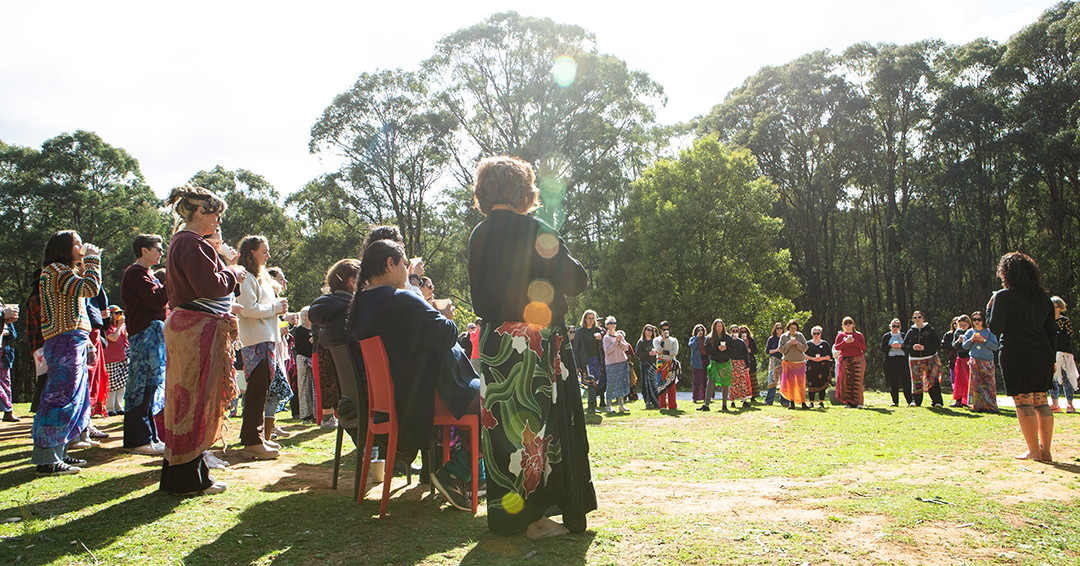
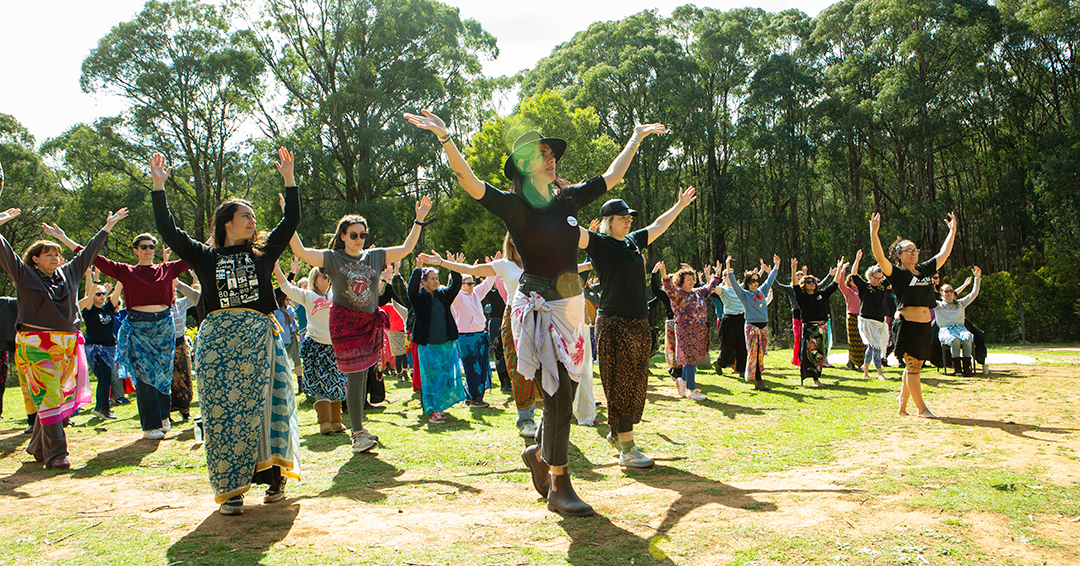
This past weekend, I had the honour of guiding a Breathwork, Cacao, and Pasifika Movement workshop with the extraordinary women of Pitch Face Choir. Over one hundred women gathered — hearts open, bodies ready, voices alive. We came together to breathe, to move, to reconnect with the lands and waters that have carried us.

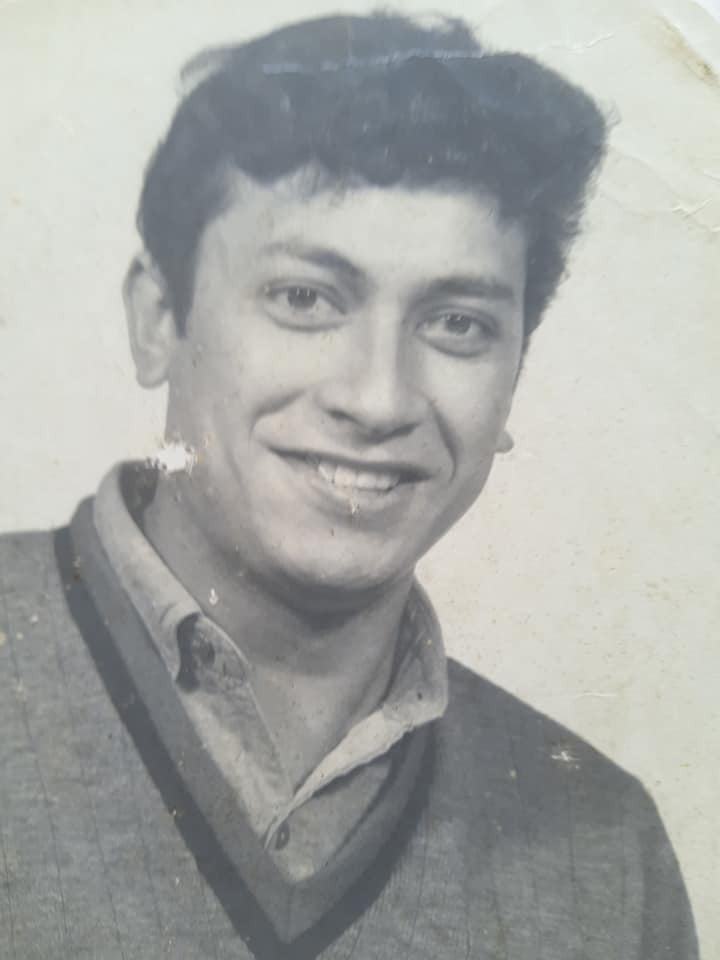
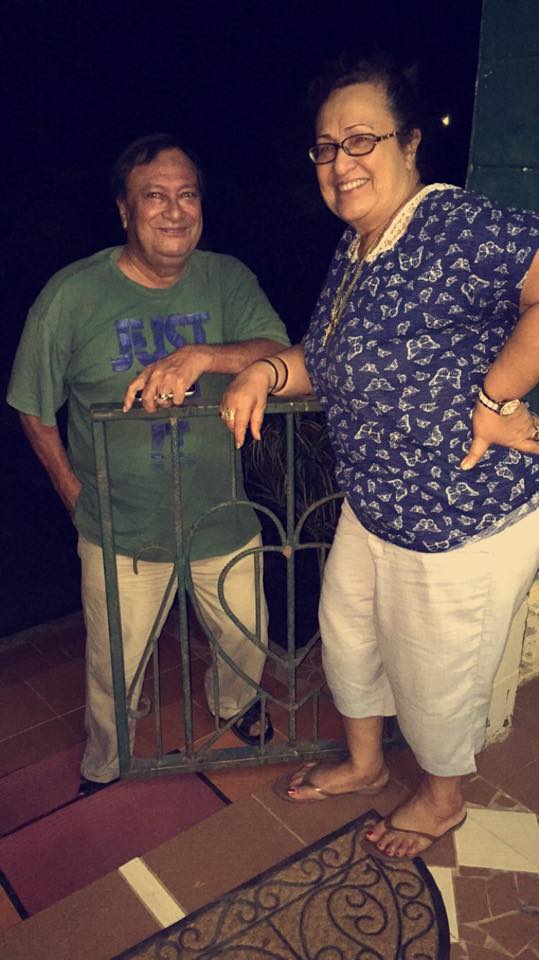
Leading up to this, my own heart was heavy. I had just received the news that my uncle — my mum’s brother, Joe Stanley or as we called him Uncle Sale — had passed away. He was a man full of music, stories, and wisdom. An economist who travelled the Pacific, helping island nations understand their economic positions. A man who, when I was six years old, welcomed us to his home in New Caledonia with a piano, laughter, and endless songs.

He would play Tom Jones, Elvis Presley, and Engelbert Humperdinck while I twirled around him — his music filling the room with joy. I can still see his eyes lighting up as he spoke with Mum about their childhood, their years on the cacao plantations. I used to record their conversations, wanting to hold onto every story — how he’d cleverly assign the hardest weeding jobs to his brothers and sisters, keeping the easier tasks for himself, laughing as he told it. He carried so much knowledge about how their father, my papa, ran the plantations — the rhythms of business, the seasons of harvest, the value of labour and land.

When he spoke about those days, his voice softened, and his eyes shone, tears would appear. Those memories were his music too.

So as I entered the workshop space, I carried him with me. His stories. His laughter. His songs.

We began with breathwork — breathing in our intentions, breathing out our blessings for the community we moved with. The cacao grounded us, connecting us to the earth, to memory, to the unseen. Then we dedicated our movements — each woman dancing for someone or something that had supported her through life’s storms: a loved one, a river, a tree, a mountain.

As we moved, I danced for my uncle — for the piano, for the plantations, for all the stories he carried that now live in me.

We breathed, we wept, we laughed. Together, we softened into grace.
Because that’s what movement does — it brings us home to ourselves, to each other, and to those we’ve loved who now move with the wind.

For my uncle —
whose hands once touched cacao, whose songs filled our hearts,
and whose laughter still dances in the breath between worlds.

A Letter from Lolopō Phoebe

A Letter from Lolopō Phoebe

Dear Living Koko community,

This is a hard letter to write.

From the beginning, Living Koko has been about more than chocolate. It has been about honouring the lands and hands that grow our cacao, respecting the ocean that connects us, and holding fast to traditions of care, culture and community. Every bar, every cup of drinking cacao, every tea leaf has carried that story.

But today, I need to share another story—the one of what it takes to keep a small, ethical business alive in the world we’re in.

On 1 September, our prices will increase.

This decision doesn’t come lightly. For months, we’ve been absorbing the rising costs of:

  • Ethical Cacao: Prices have climbed sharply on the global market, and because we will not compromise on fair pay for our farmers, we cannot look for “cheaper” beans.

  • Sustainable Packaging: The materials we use to stay zero-waste and kind to the earth are more expensive than ever.

  • Taxes & Levies: Small businesses like ours are carrying a heavier load from new government charges.

We’ve carried these costs as long as we could, because we know how much every dollar matters in our community. But to continue offering you cacao that is vegan, ethical, zero-waste, and slave-free, we must now share that weight.

Many of you have asked us: “Why is your ceremonial grade cacao priced lower than other brands?”

The answer is simple—we are a very small team. Behind the scenes it’s literally just two of us, side by side in the factory each day, working hard to craft, pack, and send your cacao with care. It’s also this same tiny team creating our marketing, sharing our stories, and running events—with the support of our wider Koko Crew when they can step in.

Because of this, and because we source our beans directly from our farmers—our family, our community—we’ve been able to keep our prices lower. When you speak to us, you are speaking directly to those connected to the land, honouring our heritage and the people who have grown cacao for generations.

We also made a conscious choice: to keep our ceremonial grade more inclusive, accessible to a wider community who might otherwise be excluded from these deeply grounding practices.

I feel sadness in writing this, because I know price rises touch everyone. But I also feel something else—gratitude.

Gratitude that you have walked this path with us. Gratitude that you choose to support not just chocolate, but a movement. Every time you buy from Living Koko, you are investing in Pacific Island farmers, in cultural traditions, and in a way of doing business that puts people and the planet before profit.

We remain committed to transparency, to care, and to joy. And we remain here, creating with love.

Thank you for standing with us through every shift and challenge. Your support doesn’t just keep us going—it keeps this vision alive for future generations.

With love and respect,
Phoebe Preuss
Founder, Living Koko

Breathe into Balance

Breathe into Balance

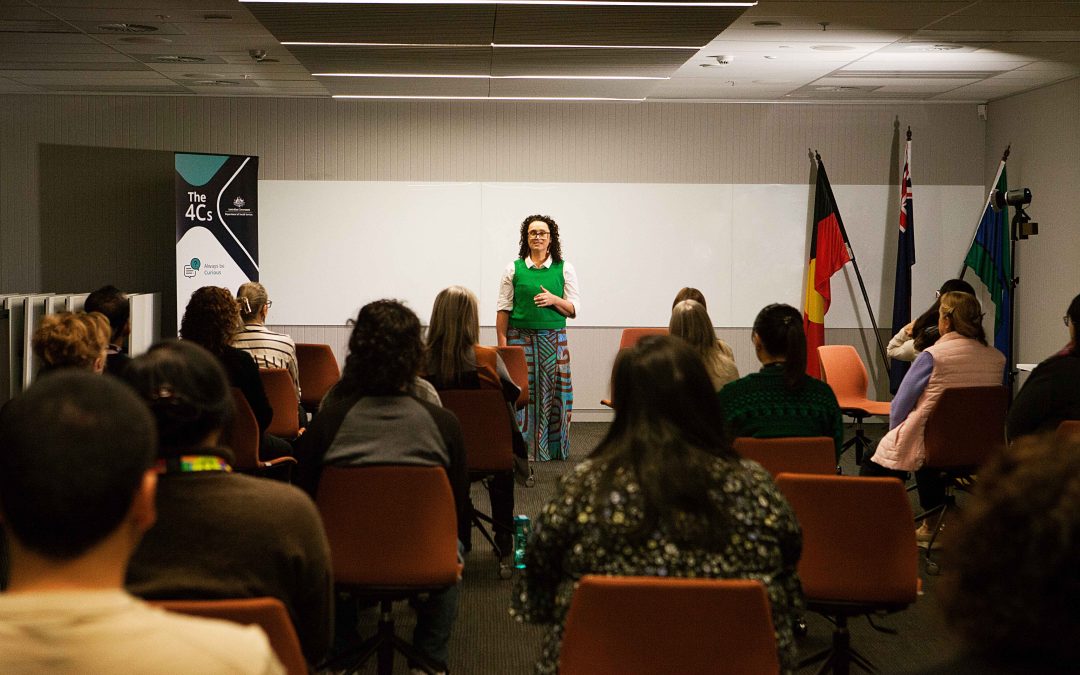
Breathe Into Balance — A Moment with the Department of Social Services

Last month, Living Koko had the privilege of holding space with the Department of Social Services — a gathering not about output, performance or productivity, but about presence.

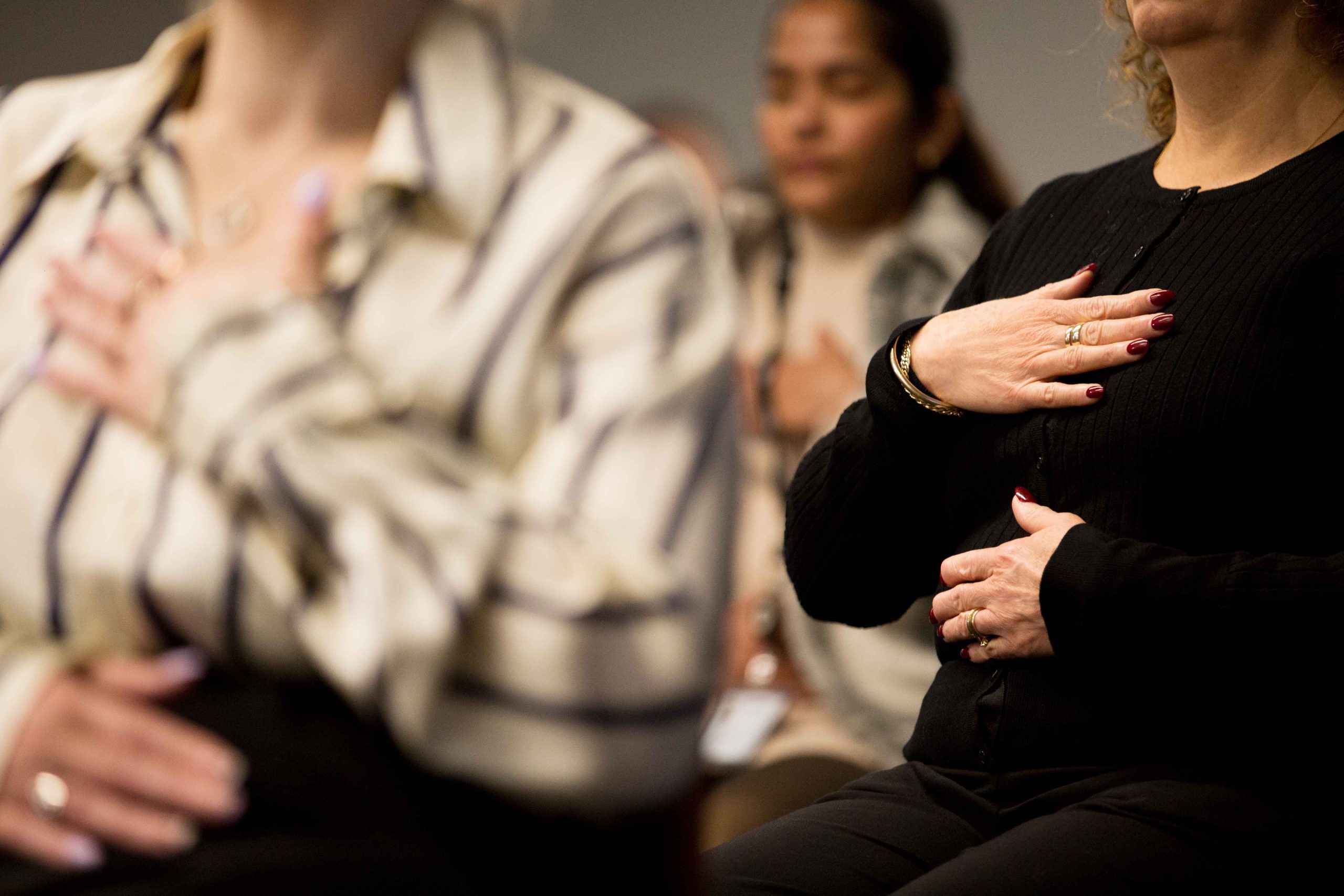
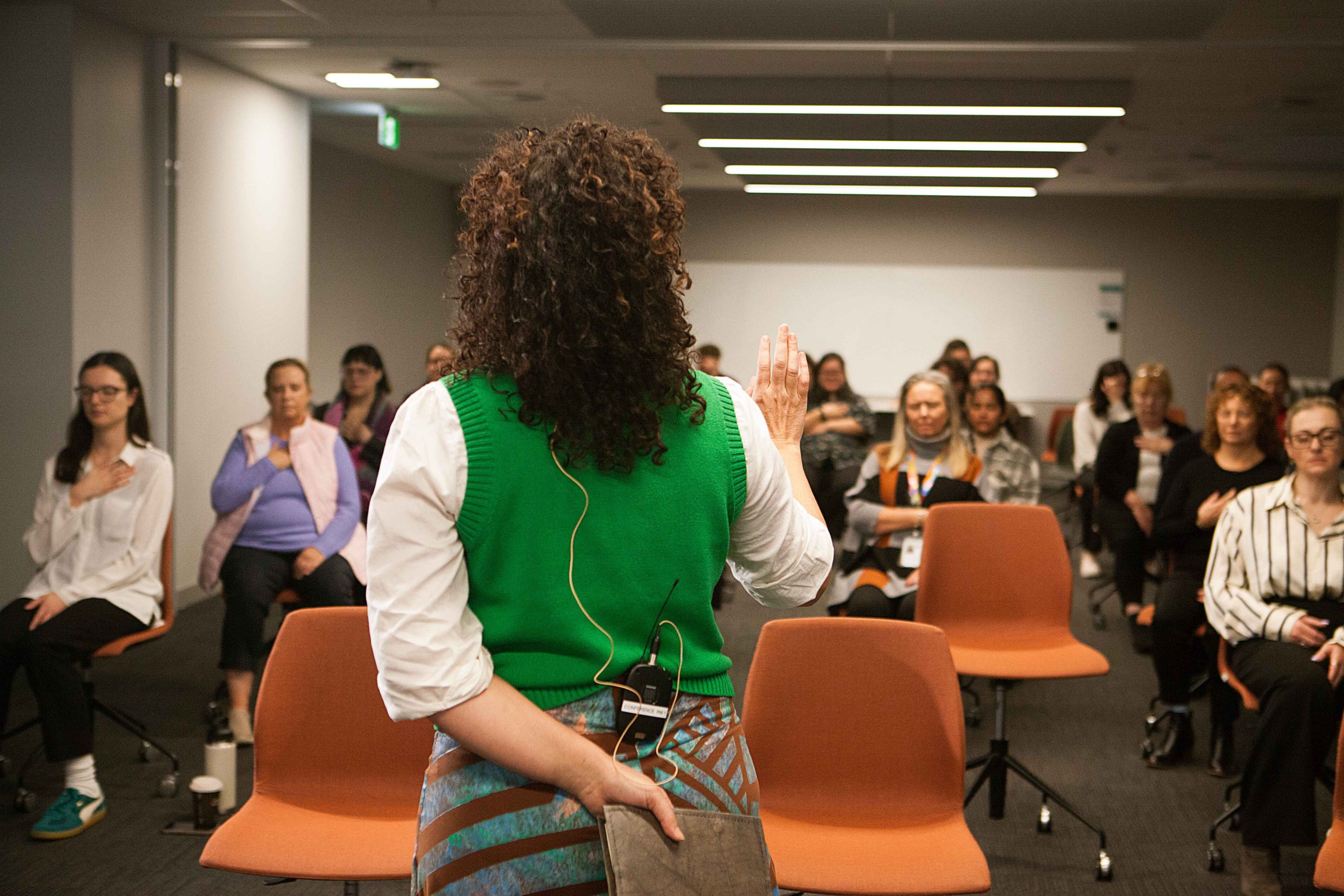
Together, we created a moment of pause. In a room full of everyday warriors, the tempo slowed. Breath deepened. Shoulders softened. The hum of urgency gave way to the steady rhythm of return — a return to body, to self, to balance.

This wasn’t just a feel-good moment. This was medicine.

We shared two intentional breathwork techniques — one to reduce stress and calm the nervous system, and another to build energy and inner vitality. These tools aren’t just useful, they’re essential. Especially for those in service-based roles who are constantly giving, often forgetting to refill their own cup.

When we breathe consciously, we:

  • Regulate our nervous system

  • Lower cortisol levels (the stress hormone)

  • Increase clarity and focus

  • Support better sleep and digestion

  • Connect to the present moment

Slowing down isn’t laziness — it’s wisdom. It’s a radical act of self-respect in a world that glorifies hustle. And in those moments of stillness, we don’t just “rest”… we restore.

Through this breath-led experience, we saw masks fall away, even just briefly. The tension in faces gave way to lightness. Minds that had been running finally paused. There was no pressure to solve the world’s problems. Just the invitation to be— wholly and gently.

This is what it means to breathe into balance.
To honour the vessel carrying us through story, service, and everything in between.

To the beautiful humans of DSS — thank you for showing up with openness and grace. Your presence made the space sacred.
And to Penelope Fogarty — thank you for the invitation to share in this moment of slow magic.

With heart and breath,
The Living Koko Team

Breathwork Cacao Ceremony