by Phoebe Preuss | Oct 12, 2026 | Chocolate manufacturers Melbourne, Uncategorized, Wellness Blogs
Our journey into Singapore began with an exchange.
In April, we ran an event with Kenny and Min from Fang Studio and shared cloth made from paper mulberry: Kenny’s from Taiwan, ours from Samoa.
In Samoa, our decorated barkcloth is called siapo, made from the inner bark of the u‘a, carefully prepared and beaten into cloth. Paper mulberry travelled with Austronesian voyagers into the Pacific; research tracing its ancestry connects Pacific plants to Taiwan. In our hands, we held a reminder of journeys much older than our own.
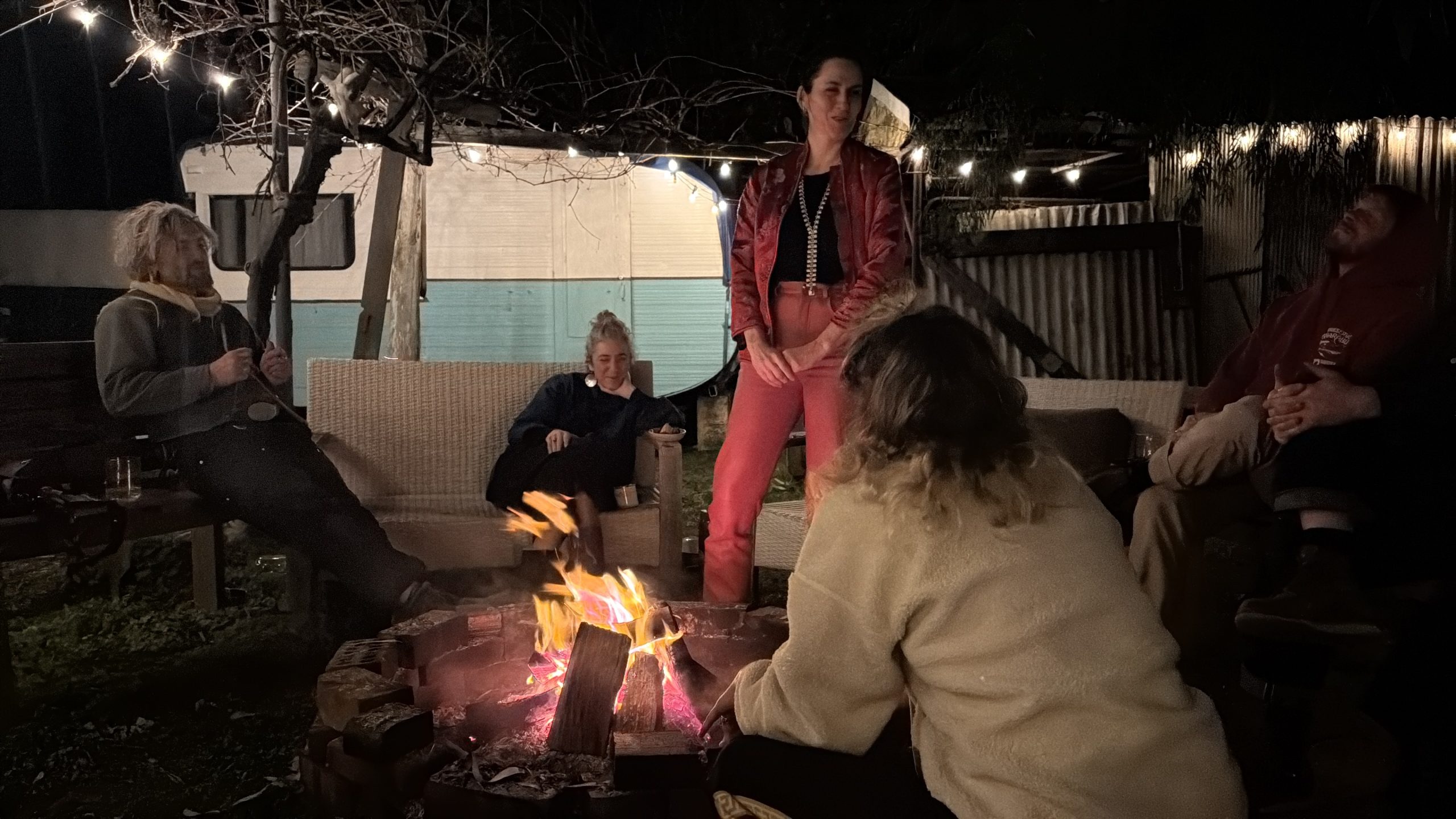
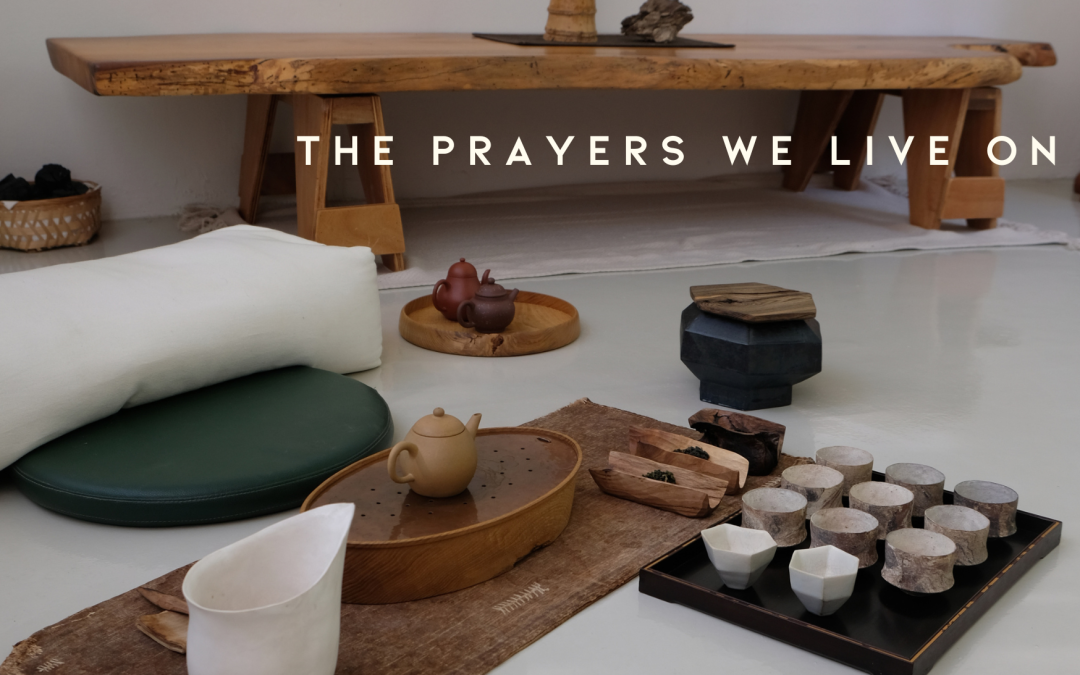
When we returned on the first weekend of October, that relationship deepened. Together, we created a cacao ritual and helped facilitate Across Oceans: A Dialogue between Tea and Cacao.
What unfolded reached far beyond the cup.
People spoke about belonging: being Singaporean Chinese while feeling distant from Chinese roots, or carrying Chinese heritage alongside a deeply felt Indonesian identity. We heard the longing to feel settled when the names others give us cannot hold the fullness of who we are.
These stories belong to those who shared them. What I carry here is my reflection on the tenderness of that gathering.
We spoke of parents and grandparents who had escaped war and upheaval. Leaving had made another life possible, while placing distance between generations and the places that once held them.
Sometimes a family’s silence is a way of surviving. Our elders may struggle to speak about home because remembering brings pain. We can long for their stories while respecting what they are not ready to share. Reconnection needs patience.
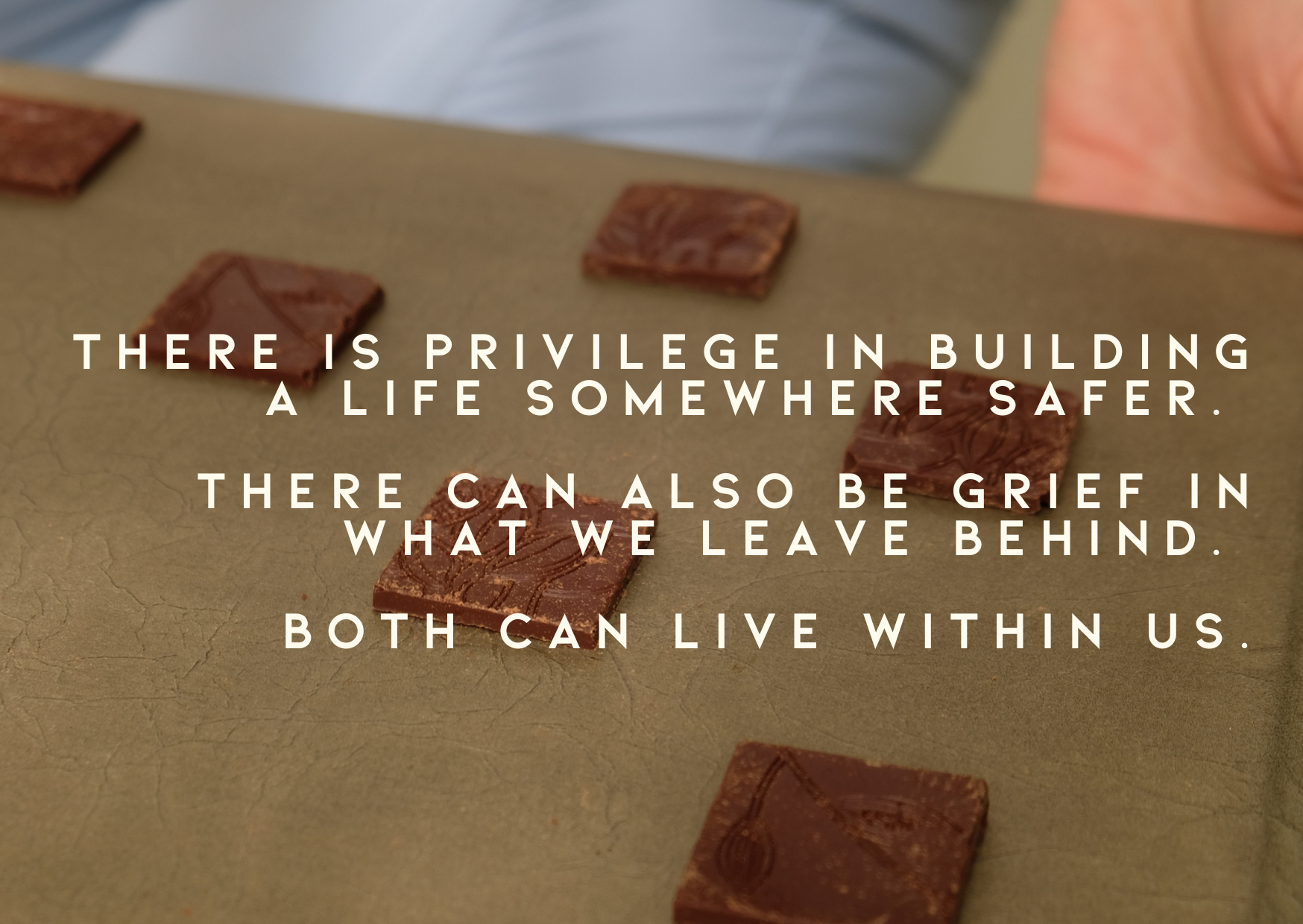
There is privilege in building a life somewhere safer. There can also be grief in what we leave behind. Both can live within us.
For me, as a Samoan woman living and working on Aboriginal land in Australia, belonging also carries responsibility. My love for Samoa travels with me, alongside my responsibility to honour the First Peoples of the place where I now make my life.
We can nurture our own roots while respecting the roots already holding the ground beneath us.
Listening to stories of ancestral displacement, I thought about families enduring it today. In Palestine, families are separated from homes and land. In West Papua and other Indigenous communities in Indonesia, ancestral places face the pressures of extraction. In the Democratic Republic of the Congo, wealth beneath the soil can bring suffering to those living above it. Each place has its own histories, resistance and hopes and ongoing loss and death.
Closer to home, I worry about a quieter economic colonisation moving through our Pacific Islands, dressed as progress. What happens when foreign agreements place the future of custodial lands in other hands? When forests become figures in carbon-credit contracts, or promised infrastructure is poorly built, difficult to maintain, or tied to obligations our children inherit?
Our communities deserve roads, healthcare, education and opportunity – but also we deserve the power to shape them. Must we loosen our relationship with the land to “catch up” to a world already showing signs of decay, mentally, physically and spiritually?
It brings me back to reciprocity: who gives, who benefits, and who carries the cost?
At Fang Studio, we also spoke about time and ancestral predictions seemingly coming into view. There was a feeling that past and present could meet, that our lives might hold the unfolding of hopes spoken long before us.
I thought about the prayers we live on. Our elders’ wishes that someone after them might know more safety, more freedom, a chance to keep going.
There were tears, love and understanding. People shared practical tools and ways of being. We recognised cultural commonalities without needing every story to resemble our own.
I return, too, to the cloth we exchanged in April. An account of canoe building on Raivavae describes tapa used with a sealing mixture along wooden joints, helping keep water out.
For me, this offers an image of community: the care we place between us, the patient listening, the relief of being truly seen. Our conversations can help us tend to places where loneliness and grief find their way in. We can help one another stay afloat.
In Samoa, koko means cacao and blood. Sharing it carries a relationship to land, family and the hands that make each cup possible.
Cacao gave us something to gather around. The care people brought made the conversation possible.
As we celebrate Living Koko’s arrival in Singapore, these are the relationships I hope we keep nurturing: spaces where we can give and receive, remember culture gently, and retain ownership of our stories.
From cloth shared in April to cacao shared in October, we have been learning what it means to meet across oceans.
May the prayers that carried us this far grow into care for those still to come.
With gratitude to Kenny and Min, Fang Studio, and everyone who gathered with us.
by Phoebe Preuss | Oct 7, 2026 | Chocolate manufacturers Melbourne, Uncategorized, Wellness Blogs
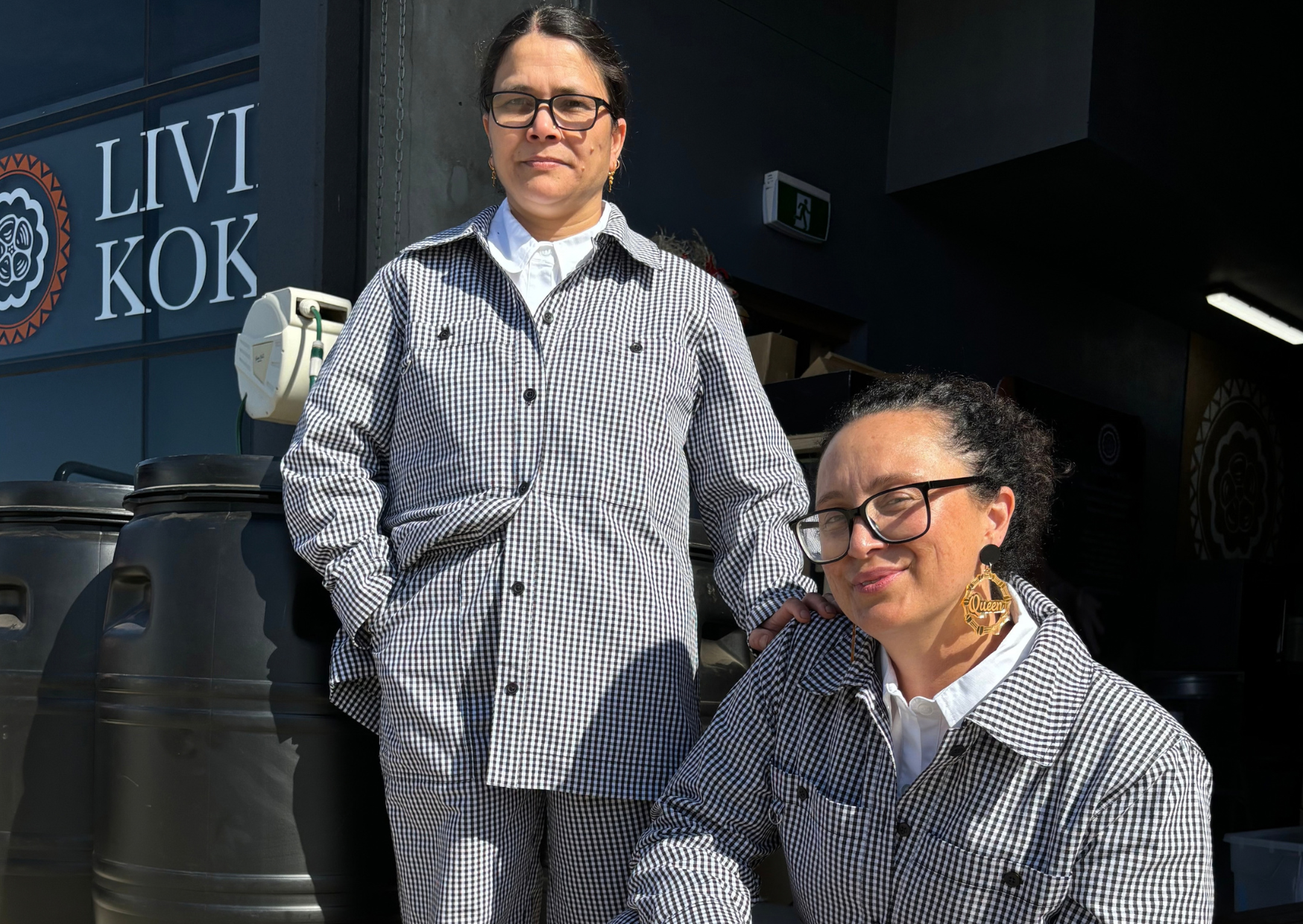
In our humble cacao factory in Melbourne’s west, two cultures meet each day: Bhavani’s Indian heritage and my Samoan roots.
We came to this friendship through cacao. It has grown through shared lunches, gentle conversations, and the stories we tell while working with our hands.
Bhavani and her husband travelled to Australia seeking a better life. They now call the Melton area home, raising their family far from where their journey began. Here in Melbourne, we are both building something for our families while staying connected to the people and places that shaped us.
There is much we recognise in each other: the importance of family, the care expressed through food, and the responsibility we feel towards those who depend on us. Our traditions have their own histories and meanings. Learning about those differences has become a treasured part of our friendship.
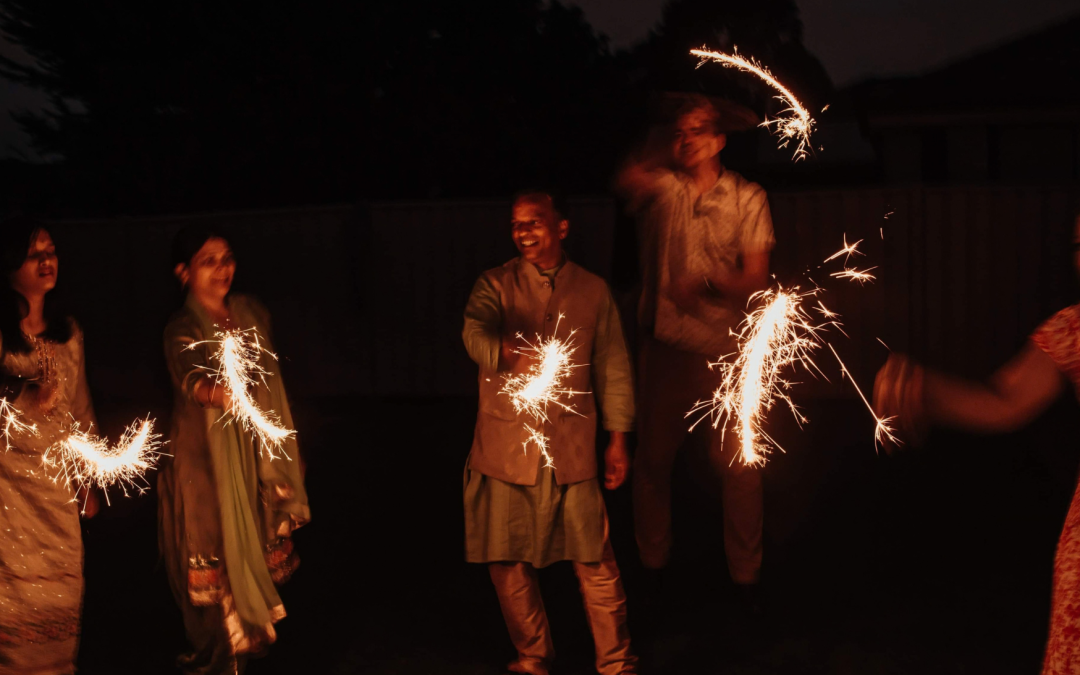
Every year, we are honoured to celebrate Diwali with our didi—our sister—Bhavani.
Known as the Festival of Lights, Diwali carries meanings that vary across communities and traditions. For many, the lighting of diyas expresses the triumph of light over darkness, good over evil, and knowledge over ignorance. It is a time to gather, celebrate and welcome light into the home.
Through Bhavani, we get to learn what that celebration means in her life.
And as our friendship deepens, I find myself thinking about the light we can become for each other.
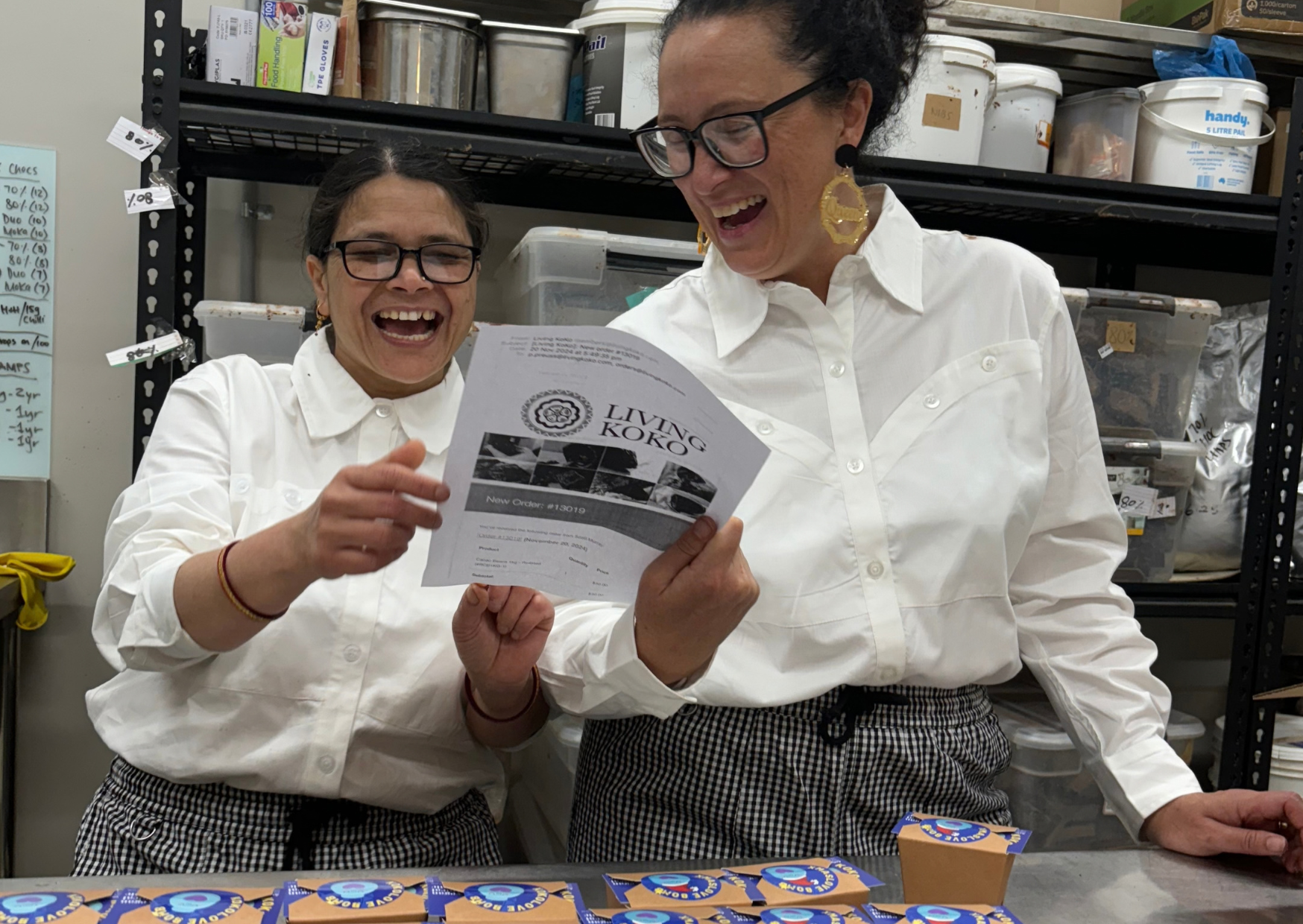
Bhavani now creates most of our cacao products while I am on the road, finding ways to share our creations and the stories behind them. Together, our work helps support more than 400 farming families in Samoa, while we raise and care for our own families here in Melbourne.
We both feel the weight of that responsibility. There are orders to fill, livelihoods to consider, and days when the work follows us home.
So we remind each other to eat. To rest. To look after ourselves.
Sometimes that care arrives as lunch brought from home. Sometimes it is a conversation that makes a difficult day feel lighter. Sometimes it is simply being able to speak honestly, knowing we will be met with kindness.
We are grateful for a workplace where we feel safe, where conversations can be gentle, and where our cultures are treated with respect. It is something we keep tending together, through the way we listen and the care we bring to ordinary days.
Our Celebrate the Light Diwali Gift Box grew from this friendship and sisterhood.
It holds an invitation to make a warm cup, share something delicious, and spend time with someone you cherish.
From our little factory to your home, we hope it carries some of the warmth we have found together.
A Gift of Joy. Warmth • Connection • Koko.
by Phoebe Preuss | Sep 22, 2026 | Chocolate manufacturers Melbourne, Uncategorized, Wellness Blogs
There are seasons when caring for others becomes so consuming that we quietly disappear from our own lives.
I returned from Western Australia carrying the fullness of choir camp and Yoga Fest, only to step immediately into another season of care. My partner was recovering from surgery. Half of our small team was away on carers’ leave. The family’s needs were swallowing me whole while also becoming part of the productivity trap…The needs around me were real and immediate, so I tuned myself entirely towards them.
Without noticing, I stopped listening for my own needs.
For a month, I tried to keep everything moving—our home, our team, Living Koko and the people I love. Eventually, the strain began to show. Things cracked. The light I am usually able to offer so freely became difficult to find within myself.
In that darkness, the mind can become the hardest algorithm to break.
The thoughts we feed become the thoughts we are shown again and again. When we are exhausted, the mind can keep returning us to fear, inadequacy and everything left undone. The harder we try to think our way out, the smaller the world can become.
I looked for distraction instead of balance. I kept moving because stillness meant hearing what was happening beneath the surface. Even active rest became another form of productivity – a walk with something to organise, a quiet moment used to answer messages, time away filled with thoughts of what needed doing next.
And caring for others became the most convincing form of distraction. It looked like love – and it was love – but it also allowed me to keep placing my own needs at the bottom of the list. I could tell myself I was resting from work while continuing to carry everyone around me.
There is a difference between pausing and truly resting. There is a difference between being needed and being well.
Finding our way back requires us to interrupt the pattern gently. To recognise that rest does not need to produce anything. It does not need to make us more efficient, more useful or better prepared to return to work. Sometimes rest is simply the place where we meet ourselves again.
This weight did not begin in a single month.
It has been almost a year since the fire in Samoa, and truthfully, it feels as though we have only started to emerge from the thickness of that. There is so much that happens behind the work people see: the damaged harvest, the interrupted supply, the rebuilding and the responsibility of continuing to support the families connected to our cacao.
Here in Melbourne, other pressures continued to gather. We added the words “gluten free” to our chocolate packaging to give our community greater clarity. That small act led to a change in our council classification and almost $9,000 in new compliance expenses during the first year, with approximately $5,000 in recurring costs each year thereafter. (I need to sell a lot of little chocolates to cover that one)
One thing rarely breaks us on its own. More often, it is the slow accumulation of things carried quietly. Sometimes its noticing that you don’t have capacity for anything of joy.
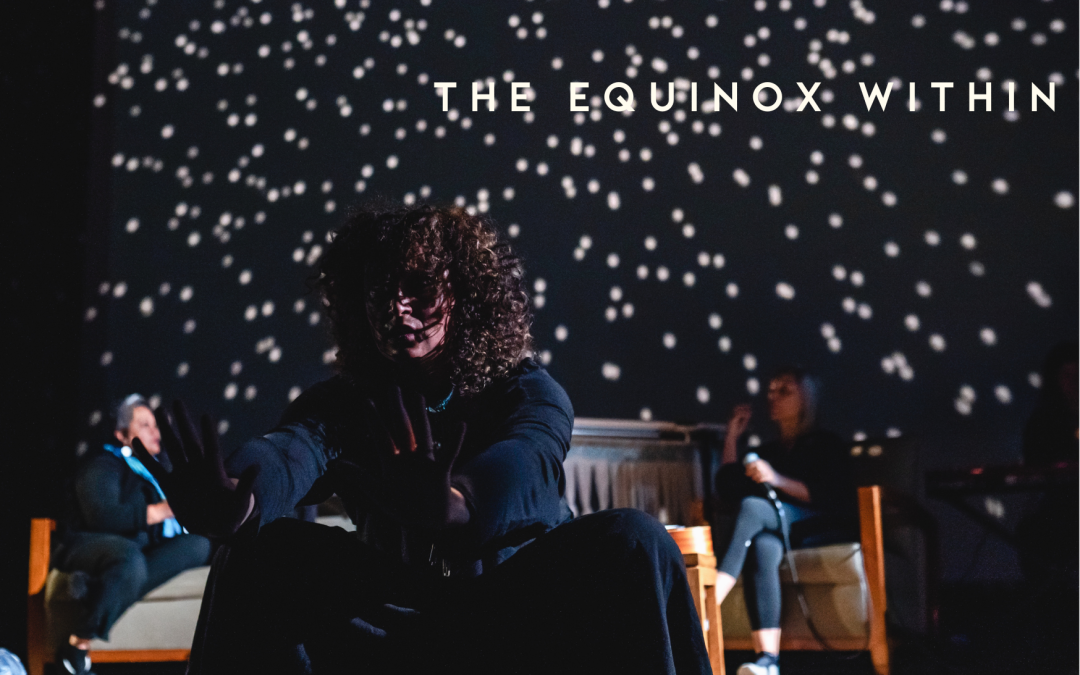
And then the Equinox arrives.
A moment when light and darkness meet. Not to defeat one another, but to share the sky.
This year, the Spring Equinox is not asking me to rush towards brightness or become the lively version of myself everyone recognises. It is inviting me to return gently – to notice where I have become depleted, where life has grown crowded and where I have forgotten to include myself among the people deserving of care.
How do we find our way back to ourselves?
Perhaps we begin by accepting that we have not disappeared. We are still there beneath the duties, the exhaustion and the many roles we have been trying to hold. Returning does not require a dramatic transformation. It may begin with something very small: a proper meal, bare feet on the earth, an honest conversation, a quiet cup of cacao, or allowing someone else to carry what we can no longer hold alone.
In the Pacific, our relationship with land teaches us that renewal is not hurried. A cacao tree cannot be forced into fruiting before its time. The soil must be nourished. Branches must be pruned. Light and air must be allowed through. What is damaged must be tended, and what has finished its season must be released.
I am not so different.
Sometimes returning to ourselves means asking what needs pruning.
I have been asking myself – Which responsibilities are truly mine? What am I carrying from habit, guilt or love that has become too heavy? Where have I mistaken endurance for strength?
Balance is not a perfect division between work and rest, darkness and light, giving and receiving. It is a living relationship between them. Like the Equinox, it asks us to notice when one has overtaken the other—and to make room again.
I am learning that care must travel in both directions. I can love my family, tend our business and remain committed to our cacao-growing communities without abandoning myself in the process. I am part of that circle of care too.
Spring also marks the return of our Pasifika Movement and Cacao Spring and Summer Series.
In the middle of business pressures, personal responsibilities and the chaos unfolding across the world, these gatherings create a rare space where I can give and receive at the same time. I arrive to share my culture, movement and cacao—but I am also restored by every person who enters the circle.
We meet people from across the world and invite them to experience Pacific Island culture through somatic healing, movement, cacao and time on Country. We gather in nature, move with nature and remember that we are nature—not separate from it, not required to perform for it, simply part of its rhythm.
For me, these gatherings are a full realignment. They bring me back into my body, into community and into relationship with the living world. They remind me that healing does not always happen alone. Sometimes we find our way back to ourselves in a circle, moving and breathing beside others.
So this spring, I am beginning again—not by leaping forward, but by returning to my roots. By moving slowly enough to hear what my body and spirit have been trying to say. By remembering that asking for help is not failure, rest is not something we must earn, and even the person who usually carries the light is allowed to need shelter from the dark.
The Equinox reminds us that darkness is not the end of the story.
The light returns little by little.
And perhaps that is how we return to ourselves too.
by Phoebe Preuss | Aug 26, 2026 | Chocolate manufacturers Melbourne, Uncategorized, Wellness Blogs, Wellness Event
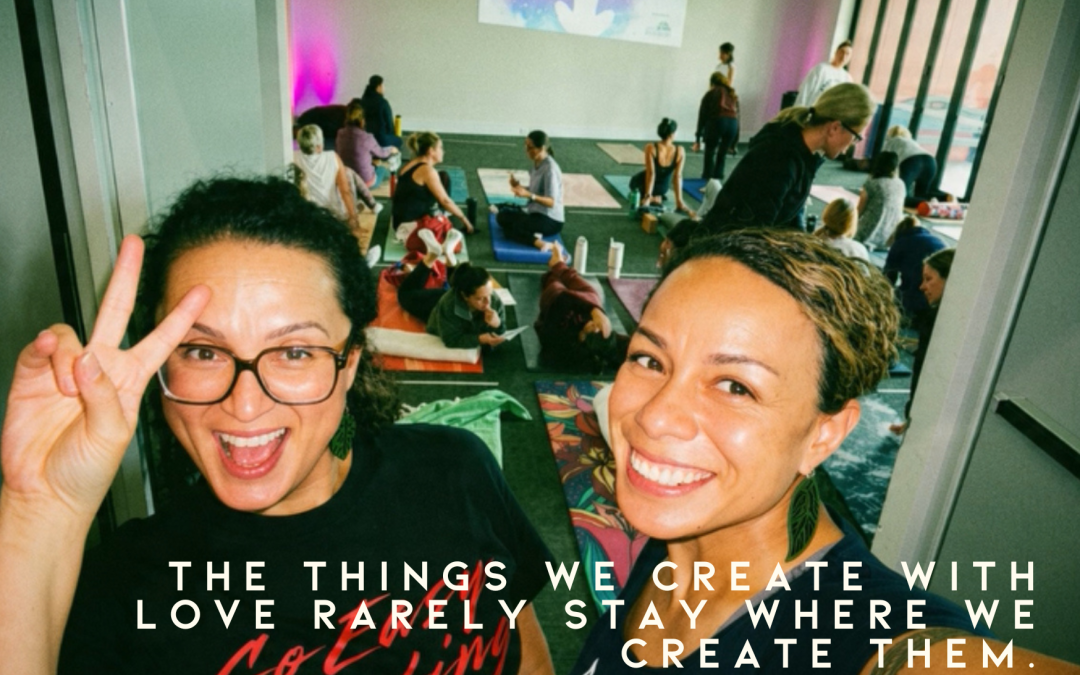
I’m writing this from the plane, somewhere between Western Australia and home, with that particular kind of exhaustion that comes after being held by people you love.
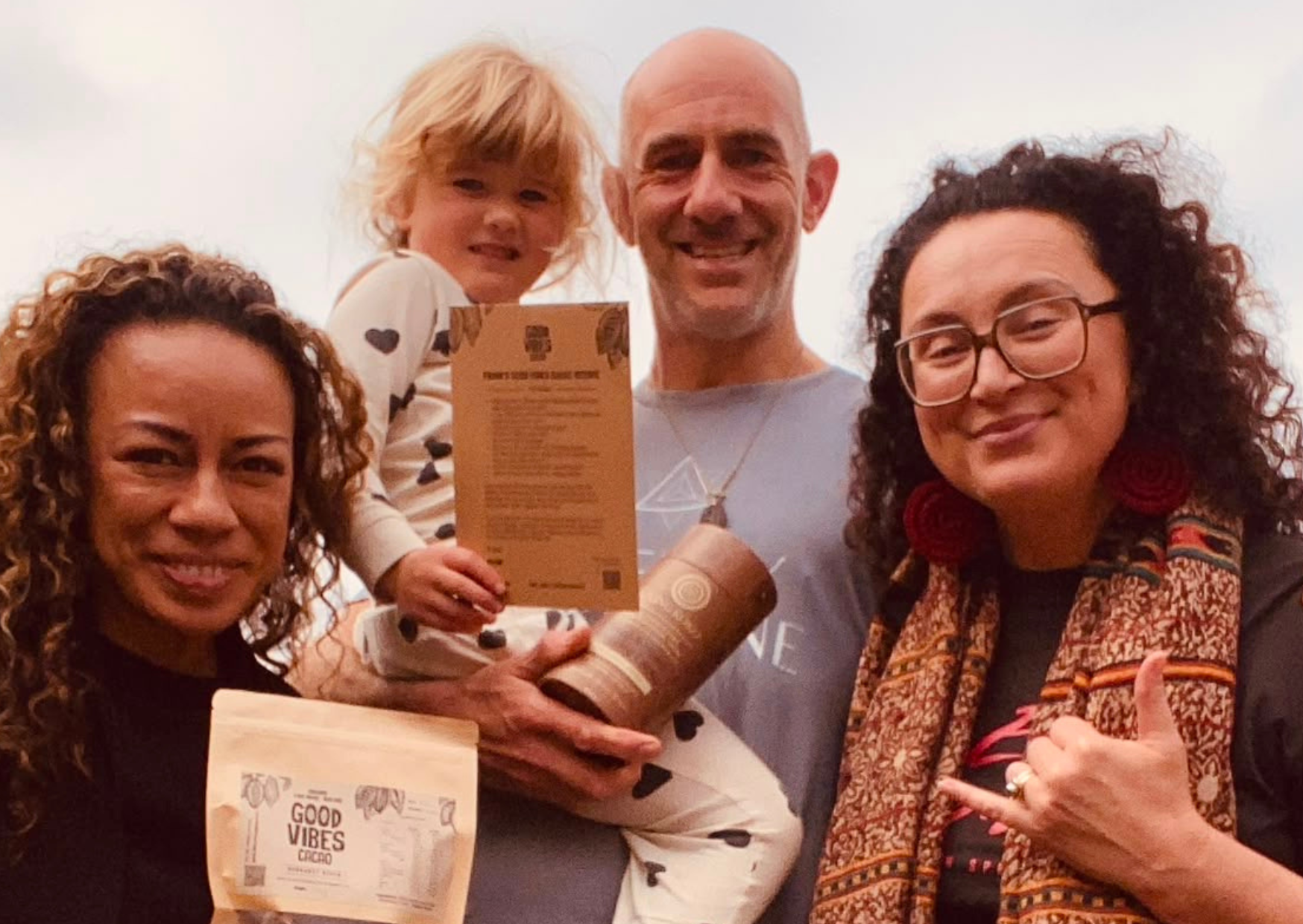
I’ve just finished choir camp with Mamakin Spender, Virginia Bott, Stacia Gonnion and then spent several days visiting stores through Fremantle and Margaret River with my sister Audrey Moala introducing people to Living Koko and our cacao. Some of those stores have already placed orders, and I’ll share them below because each conversation felt like part of a much bigger journey.
But sitting here on the plane, I keep thinking about community.
About what happens when people gather to sing, move, laugh, cry and simply be together. And about how much of that experience we carry back into our lives. The memories
There is something ancient about gathering in this way. Long before wellness retreats and festivals existed, people gathered to sing, dance, share food, tell stories, grieve, celebrate and make meaning together. These aren’t new ideas. They are old ways of being human, and I think there is a reason they continue to call us back.
Every choir camp gives me so many of those moments. Deepened friendships, enormous hugs, tears, laughter and the kind of tiredness that comes from giving yourself fully to something. There was even a Monday night of New Girl on Dani’s couch with my exhausted and very happy choir sisters. Nothing particularly profound was happening, but somehow it was everything. It was the comfort of being with people who had become family.
I feel such gratitude for Danielle Caruana and John Butler and the love and generosity they continue to offer their community. There is a particular kind of love that comes from chosen family — the kind that helps keep us grounded when life gets complicated, and reminds us that we don’t have to carry everything alone.
What struck me during my time in Western Australia was how much these spaces seem to matter.
WA had a different feeling to Victoria, and it made me reflect on how deeply the years of COVID affected people at home. We lost so many opportunities to gather, to touch, to sing, to dance and to simply be around one another. For many people, I think we are still finding our way back from that.
Perhaps that is why choir camps, yoga festivals, movement spaces and other gatherings feel so important now. They give us somewhere to release what we have been carrying, to see one another again and to remember that we are part of something bigger than ourselves.
And then something beautiful happened while I was visiting stores. I walked into one shop to introduce myself and Living Koko, as I had been doing all week. Honestly, there was something slightly Notting Hill about it — just a girl, standing in front of a store, asking them to love her cacao. lol
During our conversation, one of the customers asked me, “Are you the Polynesian dance teacher from choir camp?”
She hadn’t even been to choir camp. Her friends had, and they had gone home and talked about our cacao and movement sessions.
That small conversation moved me more than I expected. Because there it was: the ripple.
Something that happened in one community had travelled into another person’s life, and then into a shop – where I was standing with a box of cacao asking if they would like to stock it. We talked, connected, and they placed an order straight away.
It reminded me that the things we create with love rarely stay where we create them.
A song travels home with someone. A movement practice changes how someone feels in their body. A conversation becomes a friendship. A friendship introduces someone else to a new idea, a new person or a new place. And sometimes, somehow, that journey leads to a little shop in Western Australia putting Living Koko on their shelves.
This is also what I love about cacao.
For us, it has never simply been about making a good product. Cacao has always been connected to gathering, culture, story, nourishment and relationship. It creates an invitation to slow down and share something together.
The more I travel, the more I believe that what we need is definitely not more noise, more productivity or more things to achieve. We need spaces where people can soften enough to see one another again.
We need community.
We need movement.
We need song.
We need the generosity of people who open their homes and their hearts.
And we need to remember that these aren’t modern inventions. They are ways of being that have carried human beings through generations.
Perhaps our job is simply to keep them alive…To keep making room for one another.
Because the goodness created in those spaces doesn’t disappear when the weekend ends. We carry it home to our families, our friendships, our workplaces and our communities — and sometimes, without even realising it, we pass a little of it on to someone else.
That feels like a beautiful way to build a life.
And a beautiful way to build a business, too.
We are proud to announce you can find out drinking cacao and some of our chocolate range at the following stores in WA:
Denmark Wholefoods Shop – Denmark
Blue Ginger Fine Foods – Margaret River
Gourmet Food Merchant – Cowaramup
Whole Green Pepper – Holistic Health Service – Bunbury
and offered at Kylie Holdem’s retreats and circles
by Phoebe Preuss | Aug 18, 2026 | Chocolate manufacturers Melbourne, Uncategorized, Wellness Blogs
Yes. Like many plants, cacao can naturally contain trace amounts of metals that occur in soil and the wider environment.
That doesn’t mean cacao is unsafe.
It means that where cacao is grown, how it is cultivated and how it is tested matter.
At Living Koko, we believe you should know not only where your cacao comes from, but also what is in it.
So we recently sent our Head & Heart Drinking Cacao to an independent laboratory for testing for four metals:
- Cadmium
- Lead
- Mercury
- Nickel
The results gave us a clearer picture of our cacao — and we’re sharing the actual numbers with you.
Our cacao heavy metal testing results
Our Head & Heart sample was tested by Symbio Laboratories in Melbourne using ICP-MS analysis.
Here are the results:
| Metal |
Result |
| Cadmium (Cd) |
0.13 mg/kg |
| Lead (Pb) |
0.05 mg/kg |
| Mercury (Hg) |
<0.01 mg/kg |
| Nickel (Ni) |
7.91 mg/kg |
These are results from the particular sample submitted to the laboratory. They are not a claim that every batch of cacao will have exactly the same composition.
And that distinction matters.
Food testing is about measuring what is actually there — not making promises that nature cannot guarantee.
Why are heavy metals found in cacao?
The term “heavy metals” can sound frightening.
But some metals occur naturally in soil, water and plants.
Cacao trees absorb minerals and trace elements from the soil as they grow. Cadmium, in particular, can be taken up by cacao plants and stored in the leaves and seeds. Research into cacao has shown that soil and growing conditions can influence the amount of cadmium that ends up in cacao products.
This is one reason cacao origin matters.
Cacao isn’t simply a commodity that exists in a vacuum.
It comes from somewhere.
It grows in particular soil.
It is influenced by climate, farming practices and the surrounding environment.
For Living Koko, our cacao journey begins with farmers and cacao trees in Samoa.
That connection to place is part of what makes our cacao special — and part of why responsible testing matters.
Cadmium in cacao: what did our testing show?
Cadmium is one of the metals that receives particular attention in cocoa and chocolate because cacao can naturally accumulate it from the soil.
Australia and New Zealand set a maximum level of 0.5 mg/kg for cadmium in chocolate and cocoa products under the Food Standards Code.
Our Head & Heart result was:
0.13 mg/kg
That’s approximately 74% below the Australian/New Zealand maximum level.
The European Union also regulates cadmium in cocoa products. Its maximum level for cocoa powder placed on the market for the final consumer, including cocoa powder used in drinking chocolate, is 0.60 mg/kg.
Our result of 0.13 mg/kg is approximately 78% below that EU maximum. (how awesome is that!!!)
That’s a result we’re pleased to see.
But we’re not going to turn one test into a grand claim that our cacao is somehow “free from heavy metals”.
Because it isn’t.
And that’s not how responsible food testing works.
What about lead in cacao?
Our lead result was:
0.05 mg/kg
Lead is an environmental contaminant that food producers take seriously.
We tested for it because we want to understand the broader contaminant profile of our cacao, rather than looking at only one number.
Our laboratory measured 0.05 mg/kg of lead in the Head & Heart sample.
We think there’s value in simply telling you the result.
No dramatic headline.
No “zero heavy metals” claim.
Just the number.
What does this mean in a normal serving?
Our Head & Heart cacao tested at 0.05 mg/kg of lead. The European Union sets a maximum permitted level of 0.60 mg/kg for cocoa powder sold to consumers, including cocoa powder used in drinking chocolate.
Our result is therefore well below the EU maximum — approximately 92% lower than the permitted level. This is something massive to celebrate!!!
Looking at it from a normal serving perspective, a 30 g serving of Head & Heart contains approximately 1.5 micrograms (µg) of lead. The EU limit of 0.60 mg/kg would correspond to 18 µg of lead in a 30 g serving.
Lead is an environmental contaminant, so we don’t claim that our cacao contains “zero lead” — our testing found a small, measurable amount. Instead, we think the useful thing is to show you the actual result and put it into context: 0.05 mg/kg in the product, or approximately 1.5 µg in a 30 g serving, compared with the EU maximum of 0.60 mg/kg for drinking chocolate.
No dramatic headline. No “zero heavy metals” claim. Just the number, the standard, and the context.
What about mercury in cacao?
Our mercury result was reported as:
<0.01 mg/kg
This means the mercury level was below the laboratory’s reporting limit of 0.01 mg/kg. It does not mean that mercury was necessarily completely absent — simply that it was below the level the laboratory could reliably report as a quantified result.
To put this into the context of a normal serving, if mercury were present at the laboratory’s reporting limit of 0.01 mg/kg, a 30 g serving would contain less than 0.0003 mg — or less than 0.3 micrograms (µg) — of mercury.
Unlike lead, there isn’t a specific EU maximum level for mercury in cocoa or drinking chocolate that we can use as a direct comparison. So rather than creating a misleading “safe limit” comparison, we’re sticking with what our laboratory actually reported.
Mercury: <0.01 mg/kg.
A 30 g serving: <0.3 µg.
Again, we’re sharing the laboratory’s wording rather than turning a below-reporting-limit result into a stronger claim than the science supports.
What about nickel in cacao?
A few weeks ago I had a wonderful community member ask us about Nickel at a Melbourne instore tasting, this isn’t usually something we test as chocolate makers but because he was monitoring this due to heavy metals in his own body we decided to go out and get this checked with our labs again to understand what our snapshot is right now.
Nickel was the highest of the four metals tested:
7.91 mg/kg
This is where some important context is needed.
There isn’t a simple Australia/New Zealand or EU maximum level for nickel in cacao equivalent to the specific cadmium limits above.
So we don’t think it would be responsible to invent a “safe” or “unsafe” threshold and present it as a regulatory standard.
Nickel occurs naturally in many plant foods.
The concentration in a food is only one part of understanding exposure. How much of the food is consumed also matters.
For us, this result means monitoring, learning and continuing to test — not fear.
What does this mean in a normal serving?
At the tested concentration of 7.9 mg of nickel per kilogram, a 30 g serving of cacao contains approximately 0.237 mg (237 micrograms) of nickel. For context, the 1 mg (1,000 microgram) adult upper intake level sometimes referenced in scientific literature represents a general upper intake level for adults for soluble nickel salts — it is not a legal limit for nickel in food. A 30 g serving of our cacao therefore contains approximately 24% of that 1 mg reference value. Nickel occurs naturally in many plant foods, including cacao, nuts, legumes and grains, and only a fraction of dietary nickel is absorbed into the bloodstream. For the general population, nickel exposure is best considered in the context of overall dietary intake, while people with nickel sensitivity or allergy may need individual dietary guidance.
Is ceremonial cacao safe?
This is a question we hear more and more as ceremonial cacao becomes increasingly popular.
The honest answer is that “ceremonial cacao” is not, by itself, a scientific guarantee of safety or a particular contaminant level.
What matters is the cacao itself, its source, how it has been processed, the product formulation and appropriate food-safety testing.
At Living Koko, we don’t believe a beautiful story about cacao should replace good food science.
We want both.
The story matters.
The farmers matter.
The land matters.
And the testing matters too.
Why testing cacao matters
Cacao is a plant.
Plants grow in soil.
Soil contains naturally occurring minerals and trace elements.
That is simply part of agriculture.
The question isn’t whether we can make nature disappear.
The question is whether we understand what we’re working with.
That’s why independent testing is valuable.
It gives us information we cannot get from looking at a cacao bean, smelling it or tasting it.
And it allows us to make decisions based on evidence rather than assumption.
Our laboratory report also makes an important point: where samples are supplied by the customer, the results apply to the samples as received and responsibility for representative sampling rests with the customer.
For us, that means one laboratory report is a snapshot, not the end of the story.
We want to build a longer history of testing across representative batches of our cacao.
From Samoan soil to your cup
There is something beautiful about knowing where your food comes from.
Our cacao begins with farmers in Samoa.
It grows from the earth.
It is harvested, fermented and processed.
And eventually, it becomes something very simple:
A warm cup of cacao between your hands.
That journey deserves care at every stage.
For us, ethical cacao isn’t only about the relationship between farmer and buyer.
It is also about stewardship.
Of the land.
Of the cacao.
Of the people who grow it.
And of the people who drink it.
Our approach to cacao testing
We don’t believe in using science as a marketing trick.
We believe in using it as a tool for better making.
That means:
We test.
We measure.
We learn.
We keep improving.
And when we have information that our customers may reasonably want to know, we’d rather share the actual numbers than hide behind vague language.
Our latest Head & Heart results showed:
Cadmium — 0.13 mg/kg
Lead — 0.05 mg/kg
Mercury — <0.01 mg/kg
Nickel — 7.91 mg/kg
Our cadmium result is comfortably below the Australian/New Zealand maximum level for chocolate and cocoa products and below the EU maximum for cocoa powder and drinking chocolate.
And that’s worth celebrating.
Not because it means our work is finished.
But because it gives us another piece of evidence that the care we put into our cacao is heading in the right direction.
Good cacao should taste beautiful.
But we believe it should also be made with care.
From Samoan soil to your cup.
That’s Living Koko.
by Phoebe Preuss | Aug 10, 2026 | Chocolate manufacturers Melbourne, Uncategorized, Wellness Blogs
Across many cultures, food carries responsibility. The way we grow, prepare and share food reflects our relationship with one another.
Food is more than nourishment. It carries stories, traditions and connection. It carries the hands that grow it, the land it comes from and the communities who gather around it.
In Samoa, we understand this deeply. Food is an expression of connection – to the land, to family, to ancestors and to the people we share it with.
This understanding has always been at the heart of Living Koko.
From the cacao trees grown by farming families in Samoa, to the handcrafted chocolate and drinking cacao we make in Australia, every part of our journey is guided by respect.
Respect for the land.
Respect for people.
Respect for culture and tradition.
And respect for the food we create.
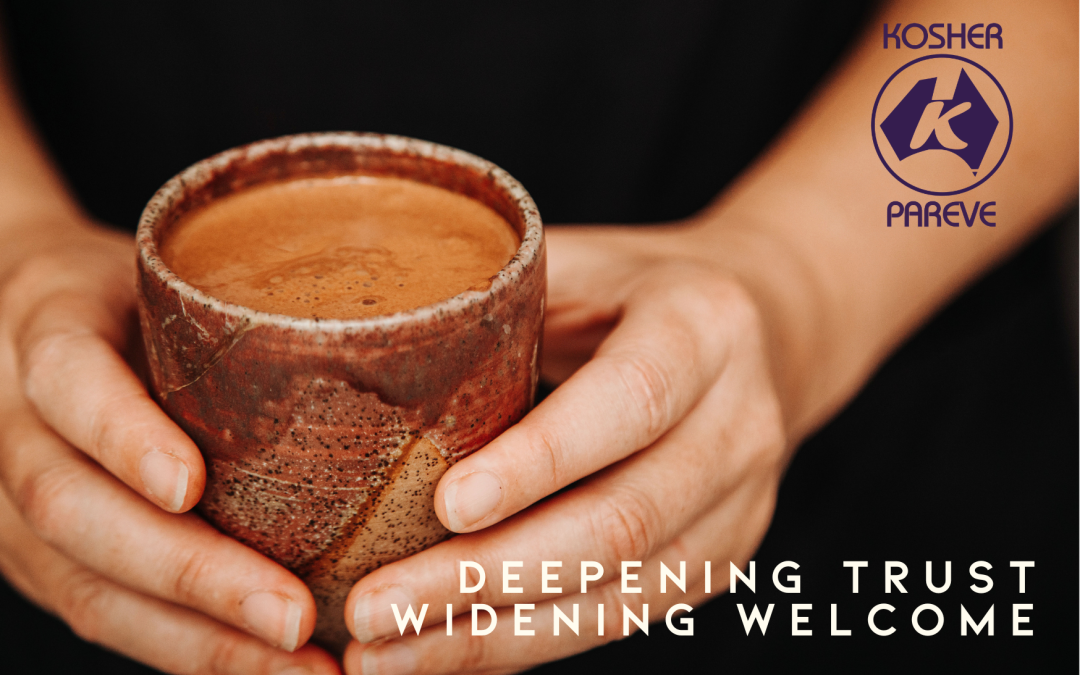
That is why we are proud to share that Living Koko is now Kosher Certified.
Why did Living Koko become Kosher Certified?
Our journey towards kosher certification actually began with a conversation.
Some new friends at Be Bowld asked whether Living Koko could become kosher certified and at several instore tastings many people would ask if our products were.
It was a question we were genuinely interested in exploring.
When we looked more closely at what kosher certification required, we discovered that many of the practices we had already built into our chocolate-making and food production processes aligned with kosher requirements. We were already incredibly careful about our ingredients, suppliers, production processes, cleaning procedures and traceability.
But there was an important difference between following good practices and having those practices independently verified…So we decided to take the next step.
We became officially Kosher Certified so that people who follow kosher dietary laws could enjoy Living Koko with confidence – and so that our wider community could see another layer of accountability behind the food we make.
What does kosher certification mean?
Kosher refers to food that complies with Jewish dietary laws, known as kashrut.
For a food manufacturer, kosher certification involves more than simply checking whether individual ingredients are suitable.
The certification process can include reviewing:
- Ingredients and ingredient suppliers
- Production and manufacturing processes
- Equipment and production areas
- Cleaning procedures
- Storage and handling
- Traceability and documentation
For Living Koko, this means our vegan chocolate and cacao products are produced within a certified system that has been independently reviewed according to kosher requirements. It is another way of giving our customers confidence in the care and integrity behind our products.
Is vegan chocolate automatically kosher?
This is a common question.
While Living Koko products are vegan and do not contain animal-derived ingredients, vegan and kosher are not the same certification.
A product can be vegan without being kosher certified.
Kosher certification considers not only the ingredients themselves, but also their sources, how they are handled, the equipment used and the processes involved in manufacturing.
This is why independent kosher certification provides an additional level of assurance.
For Living Koko, it complements the standards we already hold around ethical sourcing, ingredient transparency and responsible chocolate production.
More than a certification
We have never believed in making chocolate simply for the sake of making chocolate. We believe cacao is a relationship.
A relationship between the soil and the tree. Between the farmer and the harvest. Between the maker and the finished product. And between the person holding a warm cup of cacao and the moment they choose to slow down, connect and be present.
Our Samoan cacao carries a story that begins long before it reaches our kitchen in Australia.
We work with cacao farming communities in Samoa because we believe ethical chocolate should recognise the people and places behind every bean. For us, sustainability is not simply about packaging or production. It is about relationships, responsibility and thinking beyond the product in our hands.
Kosher certification is another part of that journey.
Creating a wider welcome
As Living Koko grows, we are learning that people have many different relationships with food.
For some, food choices are guided by sustainability. For others, ethical sourcing matters most. Some people choose vegan products. Others follow cultural, spiritual or religious food traditions that have been passed down through generations. We believe there should be room for all of these conversations.
Our goal is not to make everyone the same. – It is to create food that allows more people to gather around the same table.
That is why we are continuing to explore ways to make Living Koko more accessible to diverse communities while staying true to the values that have shaped us from the beginning.
Certifications that reflect our values
We don’t pursue certifications simply to collect logos. We pursue them because they represent commitments.
A commitment to transparency.
A commitment to quality.
A commitment to accountability.
And a commitment to listening to the communities we serve. Kosher certification is one step in our continuing journey to create ethical, sustainable and carefully crafted cacao that more people can enjoy with confidence.
Our journey began with Samoan cacao.
It continues through every farmer, maker, customer and community we connect with along the way.
Because at the heart of it all, cacao has always been about connection.
A shared cup.
A shared story.
A shared moment.
Certified with care. Created with integrity.
Frequently Asked Questions About Living Koko’s Kosher Certification
Is Living Koko chocolate kosher certified?
Yes. Living Koko is now Kosher Certified. Our ingredients and production processes have been reviewed as part of the certification process to ensure they meet kosher requirements.
Is Living Koko chocolate vegan?
Yes. Living Koko creates vegan chocolate and cacao products. Our vegan products are made without animal-derived ingredients.
Is vegan chocolate automatically kosher?
No. Vegan and kosher are different standards. Kosher certification considers ingredients as well as their sources, handling, equipment and manufacturing processes.
Why is kosher certification important for chocolate?
Kosher certification provides confidence for people who follow Jewish dietary laws and gives consumers additional assurance about ingredients, manufacturing processes and food production standards.
Where does Living Koko cacao come from?
Living Koko sources cacao from Samoa, PNG and Vanuatu,, working with cacao farming communities and transforming the beans into handcrafted chocolate and drinking cacao products in Australia.
Is kosher certification a religious blessing?
No. Kosher certification is a formal process of verifying that food and its production comply with Jewish dietary laws. It is not simply a blessing placed on a finished product.
Will Living Koko pursue other certifications?
We are continuing to listen to our community and explore ways to make Living Koko accessible to more people. Any future certifications will be considered carefully and will need to align with our commitment to quality, transparency, ethical sourcing and responsible food production.
From Samoa to the world
Living Koko began with a simple belief: that cacao can connect us.
Connect us to the land.
Connect us to the people who grow our food.
Connect us to culture and tradition.
And connect us to one another.
Becoming Kosher Certified is not a change in who we are.
It is another expression of who we have always aimed to be:
ethical, transparent, respectful and welcoming.
From the cacao trees of Samoa to communities around the world, we will continue creating cacao with care.
Certified with care. Created with integrity.