What We Carry Home

What We Carry Home

I’m writing this from the plane, somewhere between Western Australia and home, with that particular kind of exhaustion that comes after being held by people you love.

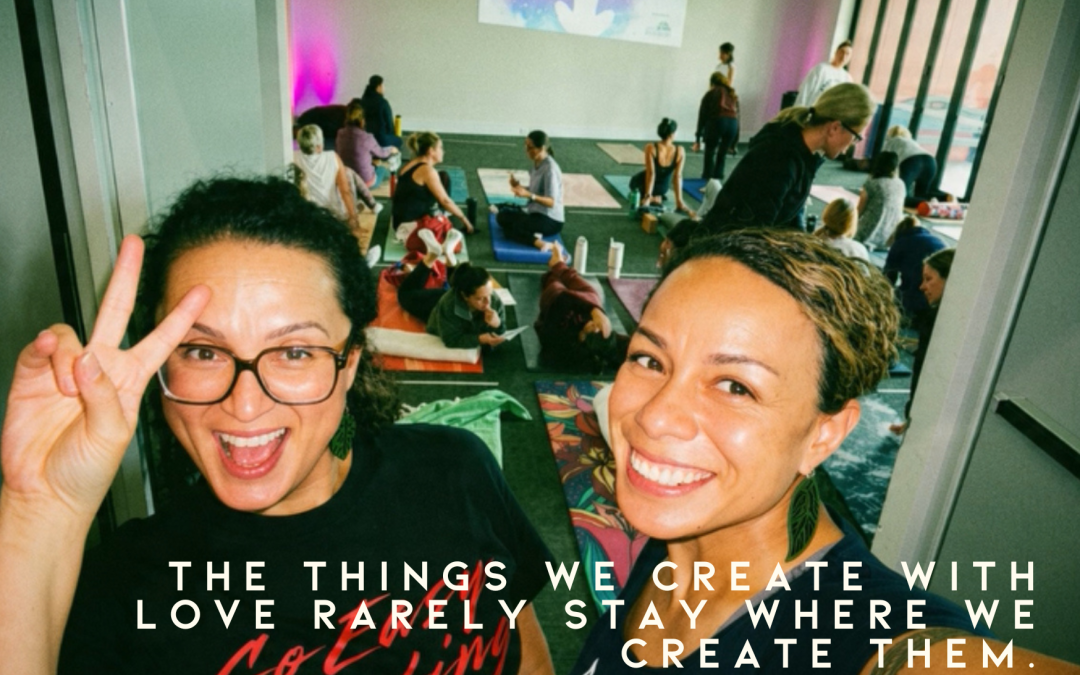
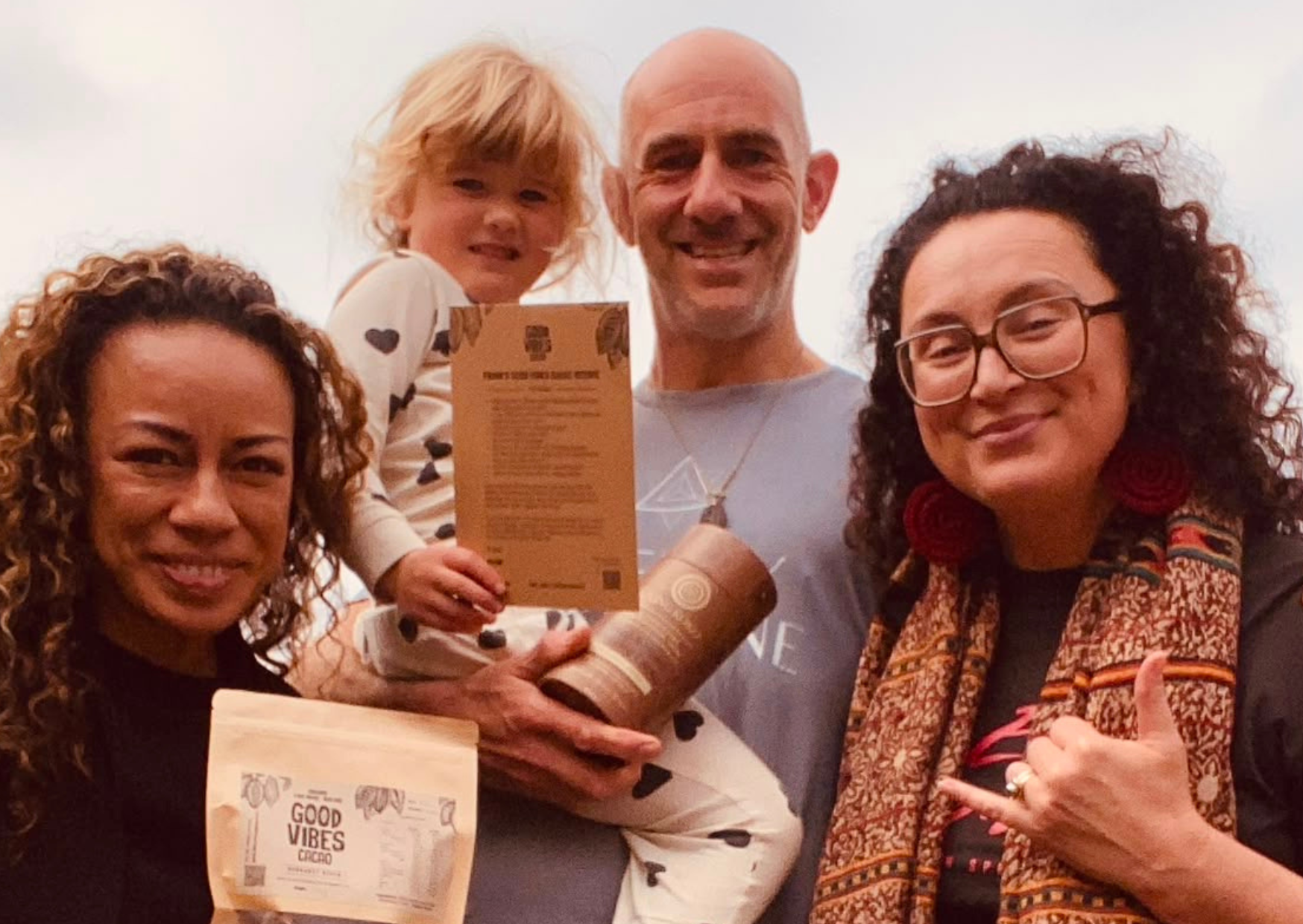
I’ve just finished choir camp with Mamakin Spender, Virginia Bott, Stacia Gonnion and then spent several days visiting stores through Fremantle and Margaret River with my sister Audrey Moala introducing people to Living Koko and our cacao. Some of those stores have already placed orders, and I’ll share them below because each conversation felt like part of a much bigger journey.

But sitting here on the plane, I keep thinking about community.

About what happens when people gather to sing, move, laugh, cry and simply be together. And about how much of that experience we carry back into our lives. The memories

There is something ancient about gathering in this way. Long before wellness retreats and festivals existed, people gathered to sing, dance, share food, tell stories, grieve, celebrate and make meaning together. These aren’t new ideas. They are old ways of being human, and I think there is a reason they continue to call us back.

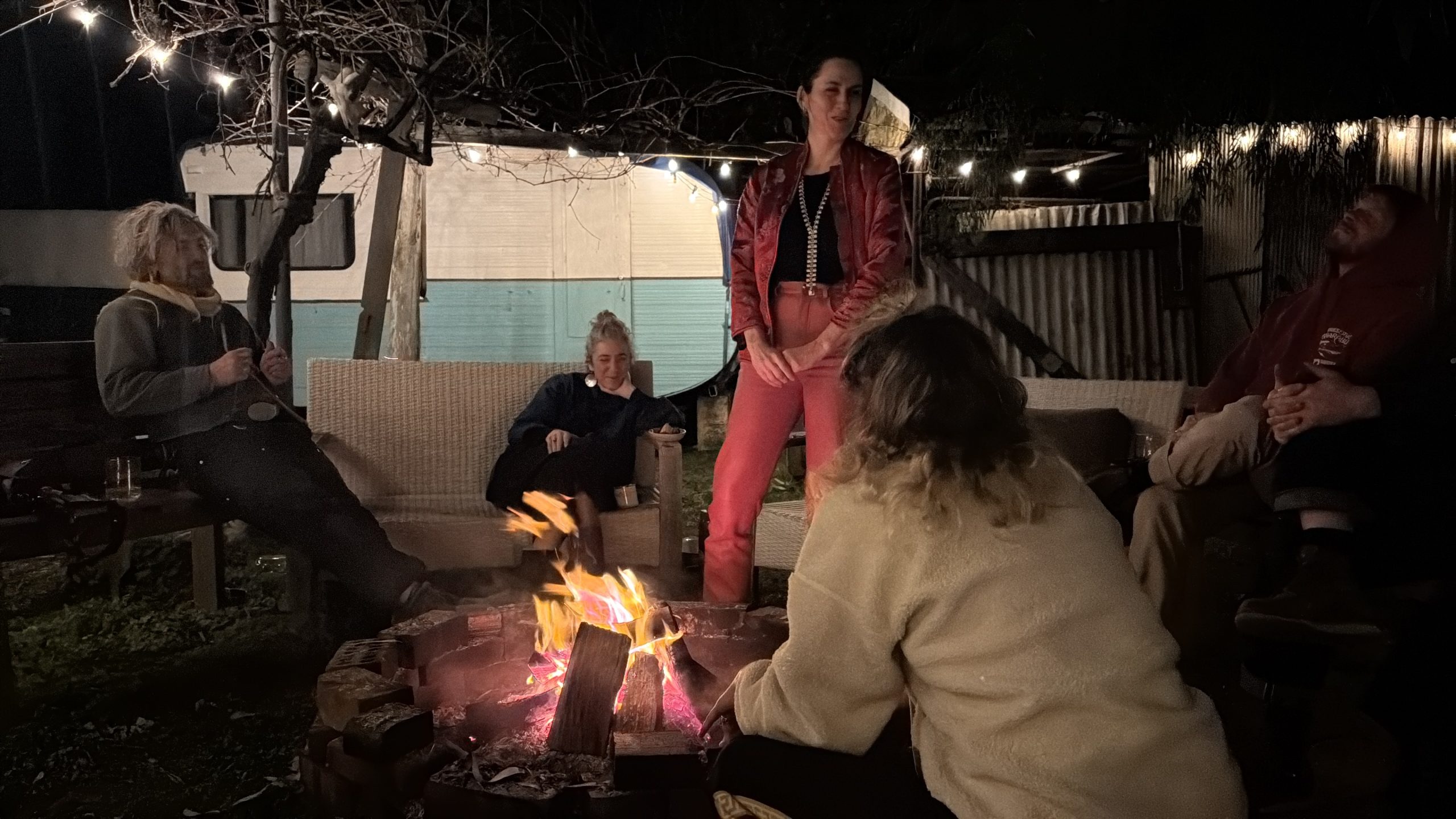
Every choir camp gives me so many of those moments. Deepened friendships, enormous hugs, tears, laughter and the kind of tiredness that comes from giving yourself fully to something. There was even a Monday night of New Girl on Dani’s couch with my exhausted and very happy choir sisters. Nothing particularly profound was happening, but somehow it was everything. It was the comfort of being with people who had become family.

I feel such gratitude for Danielle Caruana and John Butler and the love and generosity they continue to offer their community. There is a particular kind of love that comes from chosen family — the kind that helps keep us grounded when life gets complicated, and reminds us that we don’t have to carry everything alone.

What struck me during my time in Western Australia was how much these spaces seem to matter.

WA had a different feeling to Victoria, and it made me reflect on how deeply the years of COVID affected people at home. We lost so many opportunities to gather, to touch, to sing, to dance and to simply be around one another. For many people, I think we are still finding our way back from that.

Perhaps that is why choir camps, yoga festivals, movement spaces and other gatherings feel so important now. They give us somewhere to release what we have been carrying, to see one another again and to remember that we are part of something bigger than ourselves.

And then something beautiful happened while I was visiting stores. I walked into one shop to introduce myself and Living Koko, as I had been doing all week. Honestly, there was something slightly Notting Hill about it — just a girl, standing in front of a store, asking them to love her cacao. lol

During our conversation, one of the customers asked me, “Are you the Polynesian dance teacher from choir camp?”

She hadn’t even been to choir camp. Her friends had, and they had gone home and talked about our cacao and movement sessions.

That small conversation moved me more than I expected. Because there it was: the ripple.

Something that happened in one community had travelled into another person’s life, and then into a shop  – where I was standing with a box of cacao asking if they would like to stock it. We talked, connected, and they placed an order straight away.

It reminded me that the things we create with love rarely stay where we create them.

A song travels home with someone. A movement practice changes how someone feels in their body. A conversation becomes a friendship. A friendship introduces someone else to a new idea, a new person or a new place. And sometimes, somehow, that journey leads to a little shop in Western Australia putting Living Koko on their shelves.

This is also what I love about cacao.

For us, it has never simply been about making a good product. Cacao has always been connected to gathering, culture, story, nourishment and relationship. It creates an invitation to slow down and share something together.
The more I travel, the more I believe that what we need is definitely not more noise, more productivity or more things to achieve. We need spaces where people can soften enough to see one another again.

We need community.

We need movement.

We need song.

We need the generosity of people who open their homes and their hearts.

And we need to remember that these aren’t modern inventions. They are ways of being that have carried human beings through generations.

Perhaps our job is simply to keep them alive…To keep making room for one another.

Because the goodness created in those spaces doesn’t disappear when the weekend ends. We carry it home to our families, our friendships, our workplaces and our communities — and sometimes, without even realising it, we pass a little of it on to someone else.

That feels like a beautiful way to build a life.

And a beautiful way to build a business, too.

We are proud to announce you can find out drinking cacao and some of our chocolate range at the following stores in WA:

Denmark Wholefoods Shop – Denmark

Blue Ginger Fine Foods – Margaret River

Gourmet Food Merchant – Cowaramup

Whole Green Pepper – Holistic Health Service – Bunbury

and offered at Kylie Holdem’s retreats and circles
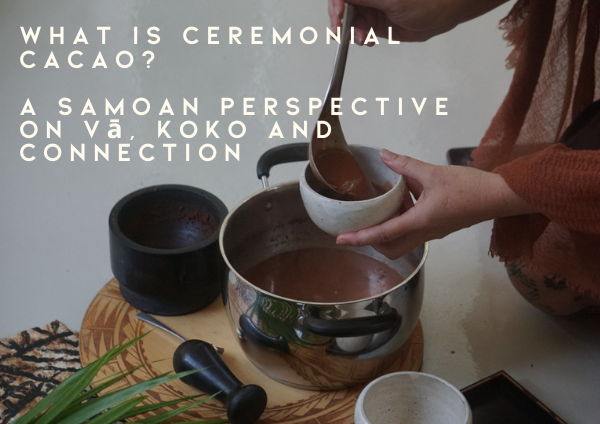
What Is Ceremonial Cacao? A Samoan Perspective on Vā, Koko and Connection

What Is Ceremonial Cacao? A Samoan Perspective on Vā, Koko and Connection

I get asked this question almost every time I’m at an in-store tasting. ..“Is this ceremonial cacao?”  I also receive calls here at Living Koko from people asking if our drinking cacao is “ceremonial grade.”

It is a beautiful question, but one that is not easy to answer.

My response comes from the perspective of an Indigenous Samoan woman who has seen our koko shared in homes, villages, celebrations, moments of grief, acts of service and everyday life. Always with reverence. Always with respect. Not because someone announced that a ceremony was about to begin, but because this is simply our way of being.

When we try to explain Indigenous knowledge through an overseas lens, something can be lost. The complexity can disappear, but so can the beautiful simplicity of it all.  So when someone asks me whether our cacao is ceremonial, I often respond with a question of my own.

“What does ceremonial cacao mean to you?”

Interestingly, almost every person pauses. Many have not reflected on this.

Many have listened to a podcast or attended a wellness retreat. They have heard about ceremonial cacao’s magnesium, antioxidants, flavanols or its ability to support heart opening, presence and wellbeing. They know it is different from commercial chocolate, but when asked what actually makes it “ceremonial,” the answer is often difficult to put into words.

And I understand why, because perhaps we have been asking the wrong question.

Instead of asking, “What is ceremonial cacao?” perhaps we could ask,

“How do we enter into right relationship with cacao?”

If we are speaking purely about the product itself, the answer is quite straightforward. Traditional cacao is one ingredient.

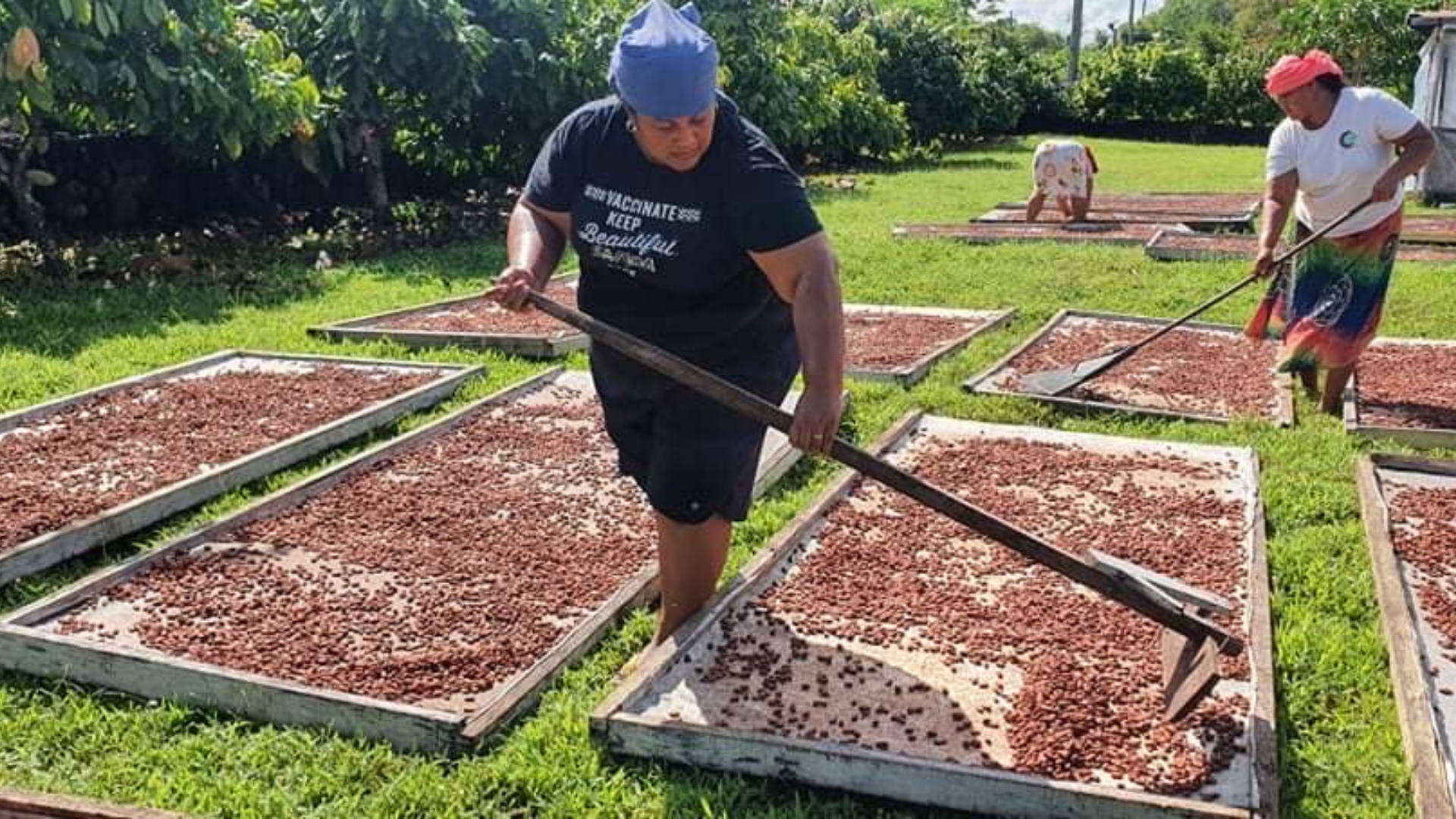
The cacao bean is fermented, dried, roasted and stone-ground into a rich paste. That paste is then formed into blocks that can be grated or chopped, or, as we offer at Living Koko, prepared in a grated form ready to share.

There is no internationally recognised certification known as “ceremonial grade cacao.” The term is not regulated like organic or fair trade. Different growers, makers and communities may use it differently.

But ceremony has never lived inside a certification. 😉


Beyond the Cup: Understanding Vā

Within our Samoan worldview, ceremony was never simply about preparing a cup of koko. It is, and always has been, about the .

is often translated as “the space between,” but that translation barely scratches the surface. Vā is not an empty space. It is the sacred relationship that connects all living things. It is the relationship between tagata (people) and fanua (land), between la’au (trees and plants), moana (the ocean), fetu (stars/cosmos), our ancestors and each other.

Vā reminds us that we do not stand above nature. We belong within it.

The relationship with cacao begins long before the bean is harvested. It begins with understanding the land so intimately that there is little need for words. You observe the winds, the rains, the changing seasons and the movement of the fetu. You learn to notice the soil, the insects, the birds and the rhythms that tell you when to act and when to simply wait.

The cacao tree is never alone.

It grows in relationship with the vegetation surrounding it. Each plant contributes something: shade, nourishment, protection, pollination or balance. To care for cacao is to care for the entire ecosystem that sustains it.

There is an unspoken conversation between tagata and fanua – between people and the land. As caretakers listen before we take. We give back as much as we receive. This reciprocity is what sustains both the land and ourselves.

Our ancestors also understood that the fetu were teachers. The stars, the moon, the winds and the seasons were not separate from daily life; they were woven into it. Knowledge was carried through careful observation, story, song, movement and practice over countless generations.

This understanding of was never reserved for special occasions…It was lived every day.


So, Is Living Koko Ceremonial Cacao?

If you are asking whether our cacao is a whole cacao product made with respect for the bean and without unnecessary processing, then yes.

If you are asking whether it comes from relationships with farmers, families, culture and land that have been nurtured over generations, then absolutely.

But if the question is whether ceremony somehow exists inside the cacao itself, I would gently offer another perspective.

The ceremony is not contained within the product.

The ceremony lives within relationships.

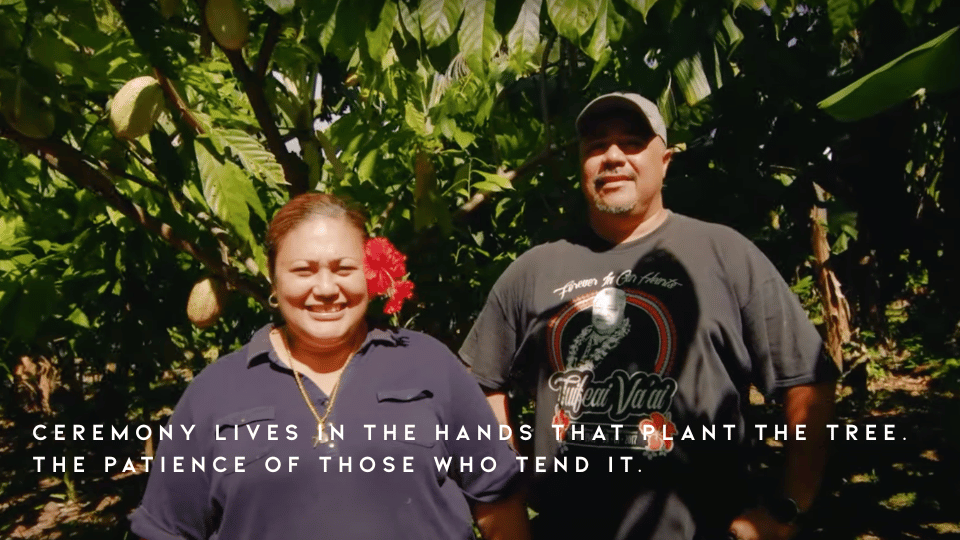
It lives in the hands that plant the tree.

The patience of those who tend it.

The wisdom that understands the land.

The gratitude offered before the harvest.

The respect shown to the people who grew it.

The intention carried by the person preparing the cup.

The presence of those who gather to share it.

The cup simply becomes a meeting place for those relationships.

So…For me, the most important question is no longer,

“Is this ceremonial cacao?”

It is,

“How are we honouring this cacao?”

Are we acknowledging the farmers?

Are we recognising the land that nourished it?

Are we approaching it with gratitude instead of consumption?

Are we entering into ?

Long before cacao became part of modern wellness culture, it already carried stories.

Stories of our lands, Stories of our people, Stories of our resilience, Stories of our reciprocity.

Perhaps that is what ceremony has always been – Not something we create – But something we remember.

Every cup of cacao is an invitation to remember our place within the living relationships that sustain us – to the fanua, to the fetu, to one another, and to the generations who have cared for this knowledge before us.

For us at Living Koko, that is what we honour every time we share our koko.

Mata’ali’i: When the Ancestors Return

Mata’ali’i: When the Ancestors Return

Across the Pacific, we look to the night sky and see more than stars.

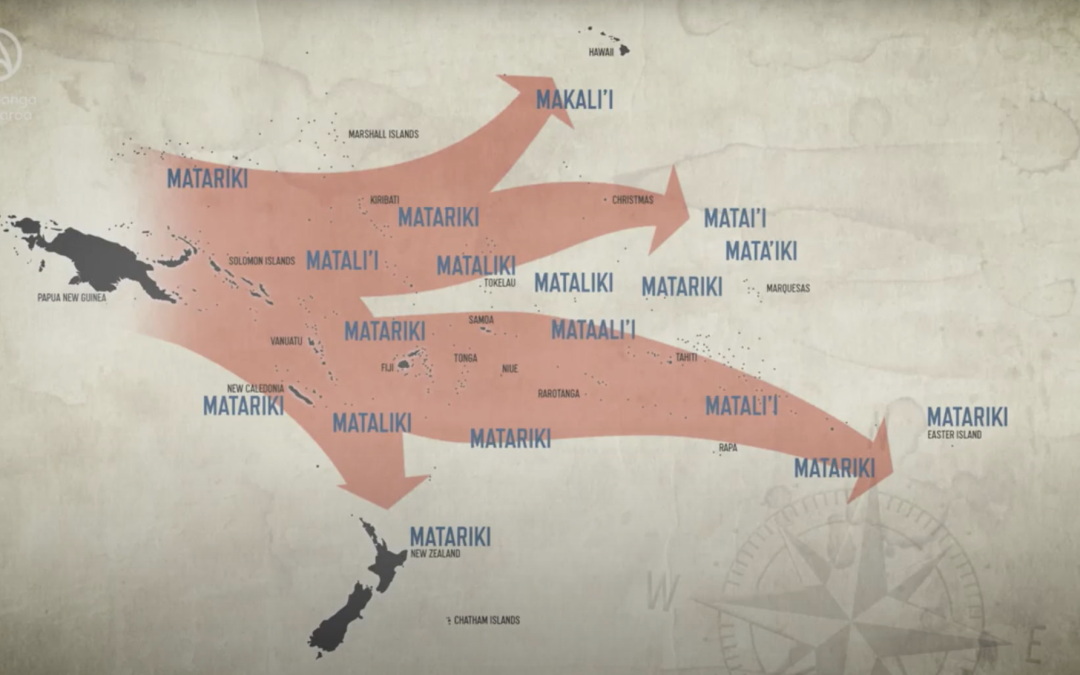
In Aotearoa they are known as Matariki. In Hawai’i, Makali’i. In Samoa, Matali’i.

The rising of this sacred cluster marks the beginning of a new season. A time to gather, to remember those who came before us, to give thanks for the harvest, and to prepare for what lies ahead. For generations, our Pacific ancestors read the stars as a calendar, a compass and a reminder that we are never separate from the land, the ocean or each other.

At Living Koko, Mata’ali’i is deeply personal.

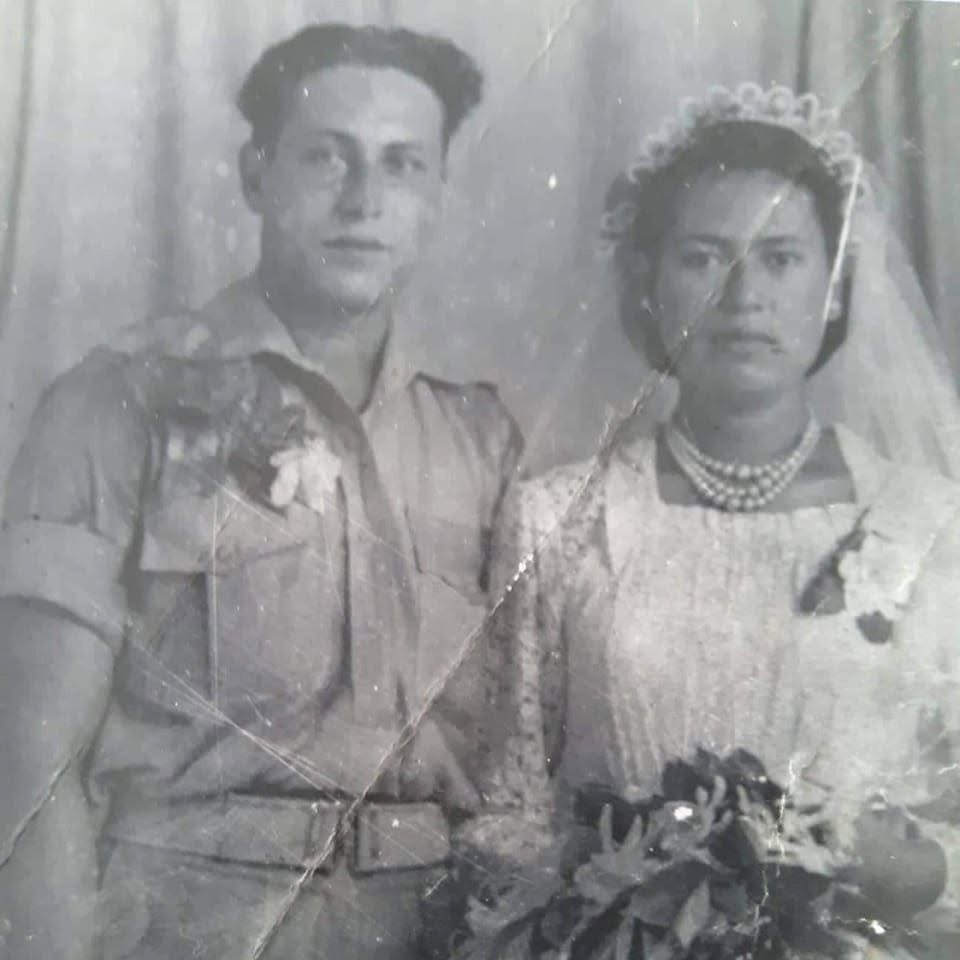
It is a time when I think of my grandfather, Laulu Sesole John Stanley, and the stories he carried. His chiefly title, his wisdom, and the generations before him remind me that we are only temporary custodians of something much greater than ourselves.

Our family’s history with cacao stretches back more than 200 years, across Samoa and Togo. For generations, our family has grown, nurtured and been connected to cacao across continents, carrying with us not only the knowledge of cultivation, but the understanding that cacao is a gift meant to bring people together. Every harvest reminds us that we are part of a story much larger than ourselves – one rooted in ancestry, stewardship and the enduring connection between people, land and spirit.


Laulu Asiata John Sesole Stanley (Grandpa) and Fofogali’i Lilly Grey-Stanley (Grandma)

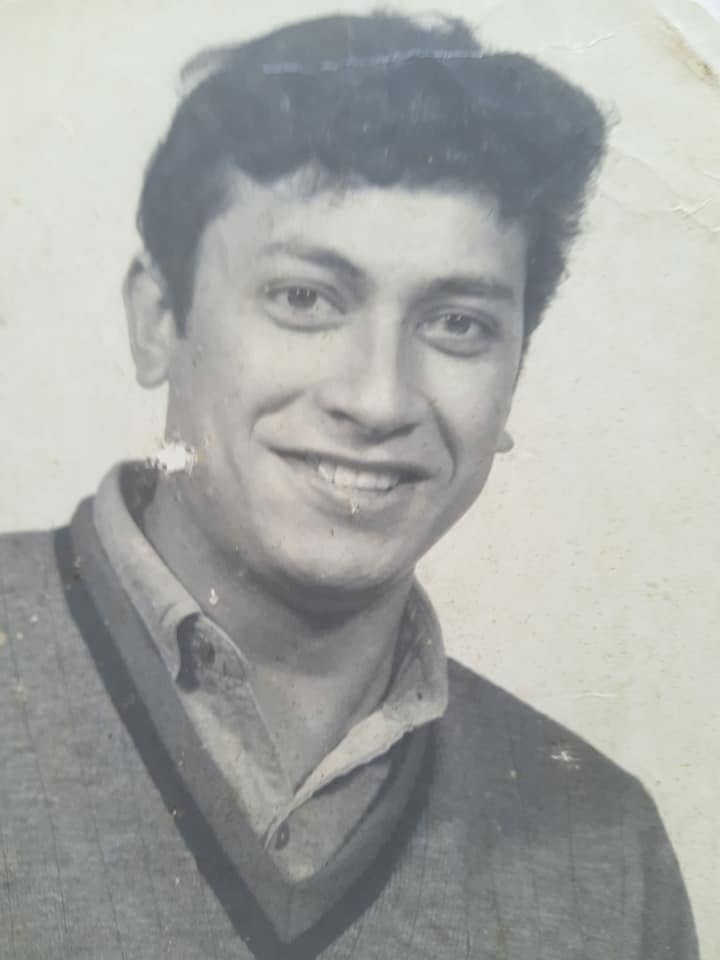
Some of my favourite memories are the stories my uncle, Sale (Joe Stanley), would share with Mum and me. He would laugh as he told us that one of his jobs on the plantation was to delegate the work of vele le vau—clearing the weeds and tending the cacao trees. Then, with a cheeky smile and a sideways glance that always let us know a good story was coming, he’d confess that he gave everyone else the biggest sections of the plantation to weed while he kept the smallest patch for himself. That way, he’d finish first and disappear, off to ga’a – off on his own adventures.

We would all laugh, but beneath the humour was a reminder of life on the plantation. Every family member had a role. Every tree was cared for by hand. The work was shared, the stories were shared, and those moments – of hard work, laughter and family – became just as much a part of our cacao heritage as the harvest itself.


Ulugia Sale (Charles) Joseph Stanley

In 2023, I was deeply honoured to receive my chiefly title, Lolopō. I accepted it with humility, knowing it was not simply an honour but a responsibility—one that I will spend a lifetime growing into. It strengthened my commitment to serve not only my own family, but every family our cacao connects with: the farmers who nurture it, the hands that craft it, and the communities who gather around a shared cup. Like Matali’i itself, it reminds me that we are part of something much greater than ourselves, and that our role is to care for what has been entrusted to us so future generations may flourish.

When we prepare cacao, we are continuing a tradition of gathering people together. Around the Pacific, food and ceremony have always gone hand in hand. We share stories, remember our ancestors, strengthen relationships and give thanks for another season. Cacao has become our vessel for those same moments of connection.

Matali’i also reminds us to pause.

To reflect on the year that has passed.
To honour those who are no longer with us.
To celebrate the people walking beside us today.
And to plant seeds—both in the soil and in our hearts—for the future generations who will one day tell our stories.

As the stars rise once again, we offer our deepest gratitude to our family, our farmers, our customers and our wider Living Koko community. Thank you for walking this journey with us and for helping keep these traditions alive.

May the season of Mataali’i bring you rest, renewal and the courage to begin again.

Ia manuia le vaitau o Mataali’i

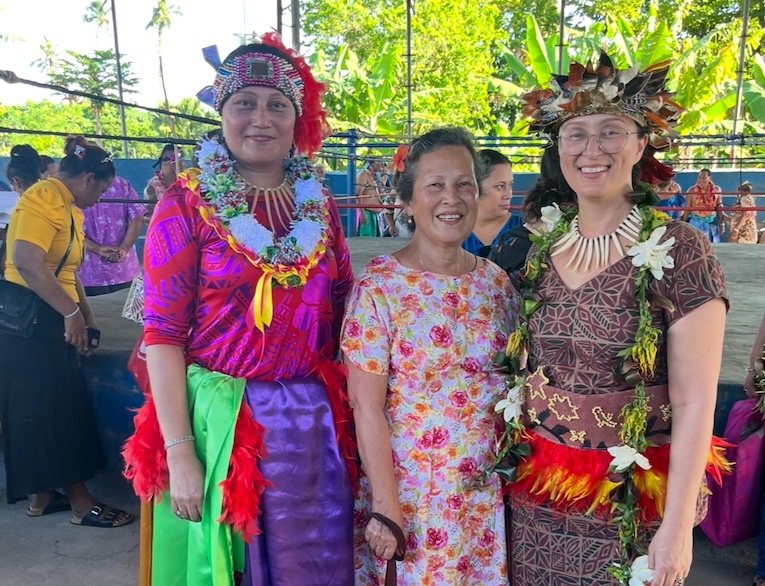
Lolopō Cyprian Fruean-Posesione (Cousin), Lucia Henrietta Phoebe Preuss (mum) Lolopō Phoebe Preuss (me)

Wintering: What the Cold Season Can Teach Us About Slowing Down

Wintering: What the Cold Season Can Teach Us About Slowing Down

There is a quiet wisdom that arrives with winter.

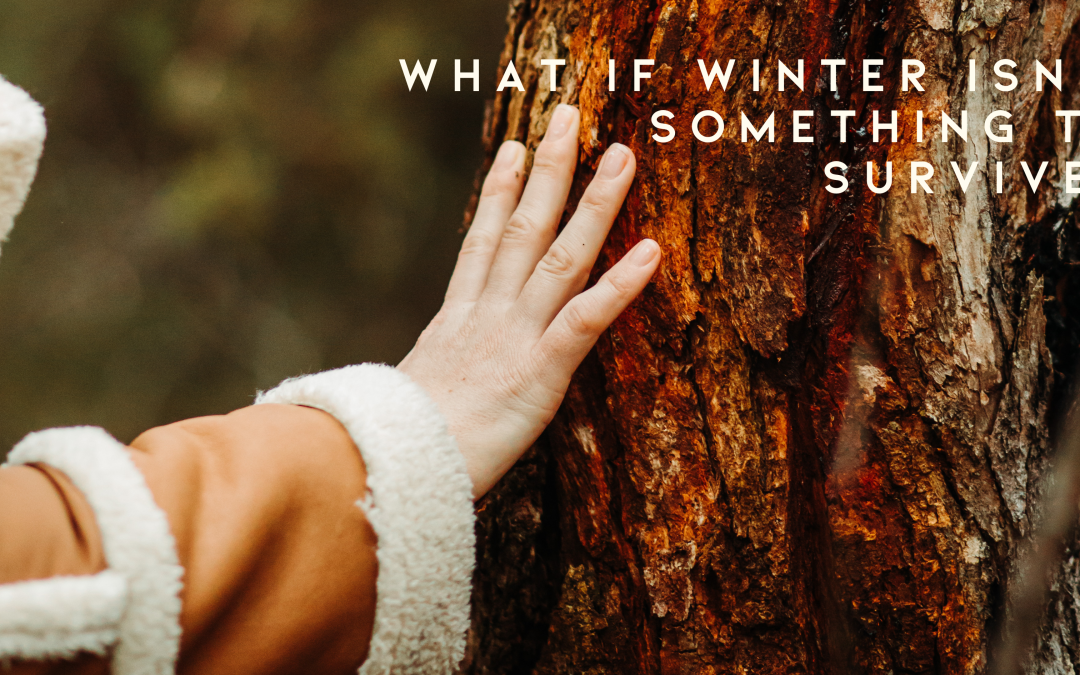
The days shorten. The mornings ask us to linger a little longer beneath the blankets. Trees release their leaves. Animals retreat to rest. The earth itself appears to pause….Yet so often, we resist.

We continue to move at the pace of summer, pushing through exhaustion, filling every hour, believing productivity is the measure of a life well lived. When winter comes, we often treat it as something to survive rather than something to embrace.

But what if winter wasn’t asking us to work harder? – What if it was inviting us to become quieter?

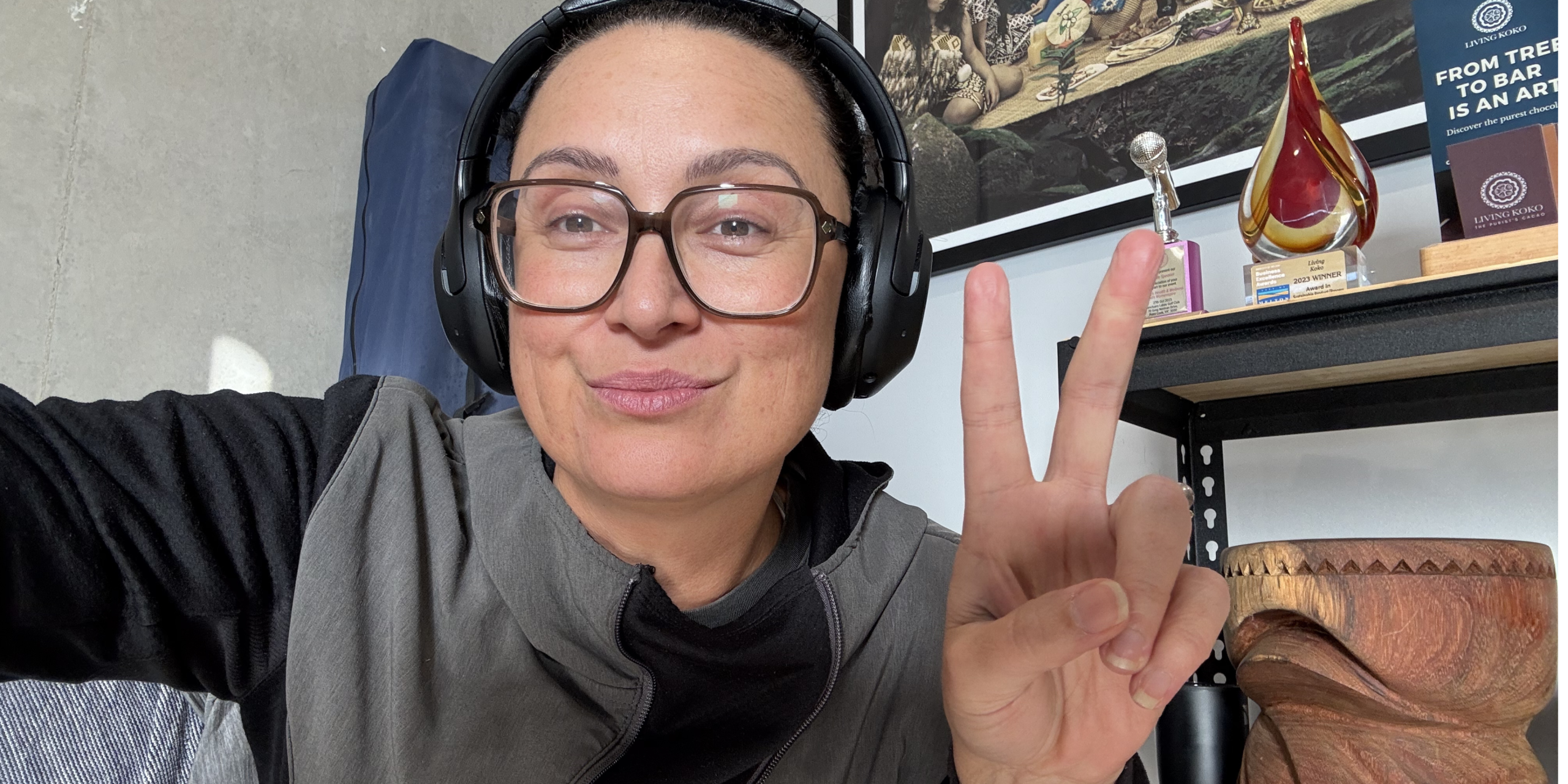
I spent last weekend with my headphones on, not because I wanted music non-stop, it was actually to cut out the ongoing noise in the house. It let everyone know I was out of bounds lol, I just wanted my own company…and hoped no one took it personally.

The idea of wintering is not about doing nothing. It is about honouring the natural seasons of life. Just as the land needs time to replenish before new growth appears, people also need seasons of restoration and I needed deep rest with only the capacity for my own thoughts.

For many Indigenous cultures across the Pacific, life has always followed the rhythms of nature rather than the demands of the clock. There is an understanding that community, food, movement, storytelling and ceremony each have their season. Rest is not laziness—it is preparation.

Gathering around warm food, sharing stories, singing together and caring for one another have long been ways of moving through the colder months. Connection itself becomes medicine. But after the first half of this year I just needed to tune into my own thoughts and what I needed.

 I had no more space to give other…so tuning out was tuning in and helping creating space.

Space to breathe.

Space to listen.

Space to reconnect with ourselves and with each other.

In a world that celebrates speed, choosing slowness can feel almost rebellious.

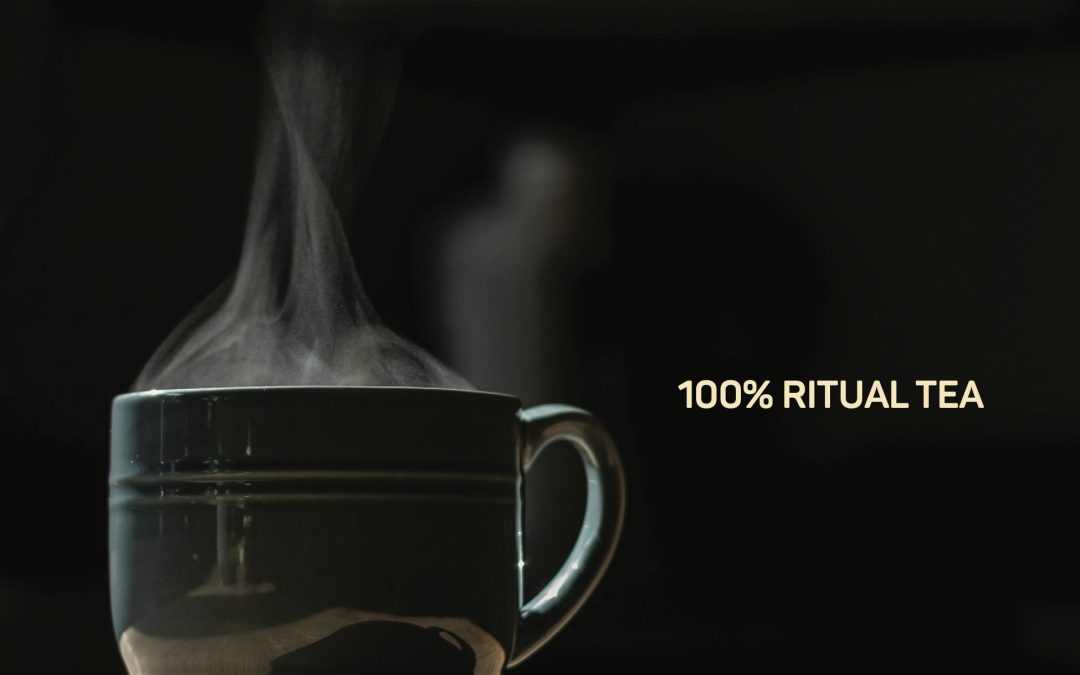
Slowness allows us to notice the warmth of the mug in our hands.

To watch the steam rise.

To hear the rain outside.

To truly taste what we are consuming instead of rushing to the next task.


These small rituals have become my anchors. Sometimes we don’t need the candles, the incense, just the moment to give ourselves permission.

Research increasingly supports what many traditional cultures have always understood: slowing down can help regulate our nervous system, reduce stress and deepen our sense of wellbeing. While winter encourages us inward, it also offers an opportunity to restore the energy that constant busyness quietly takes away.

Perhaps this winter doesn’t need another productivity challenge.

Perhaps it needs a new evening ritual to invites the calm warmth into your home.

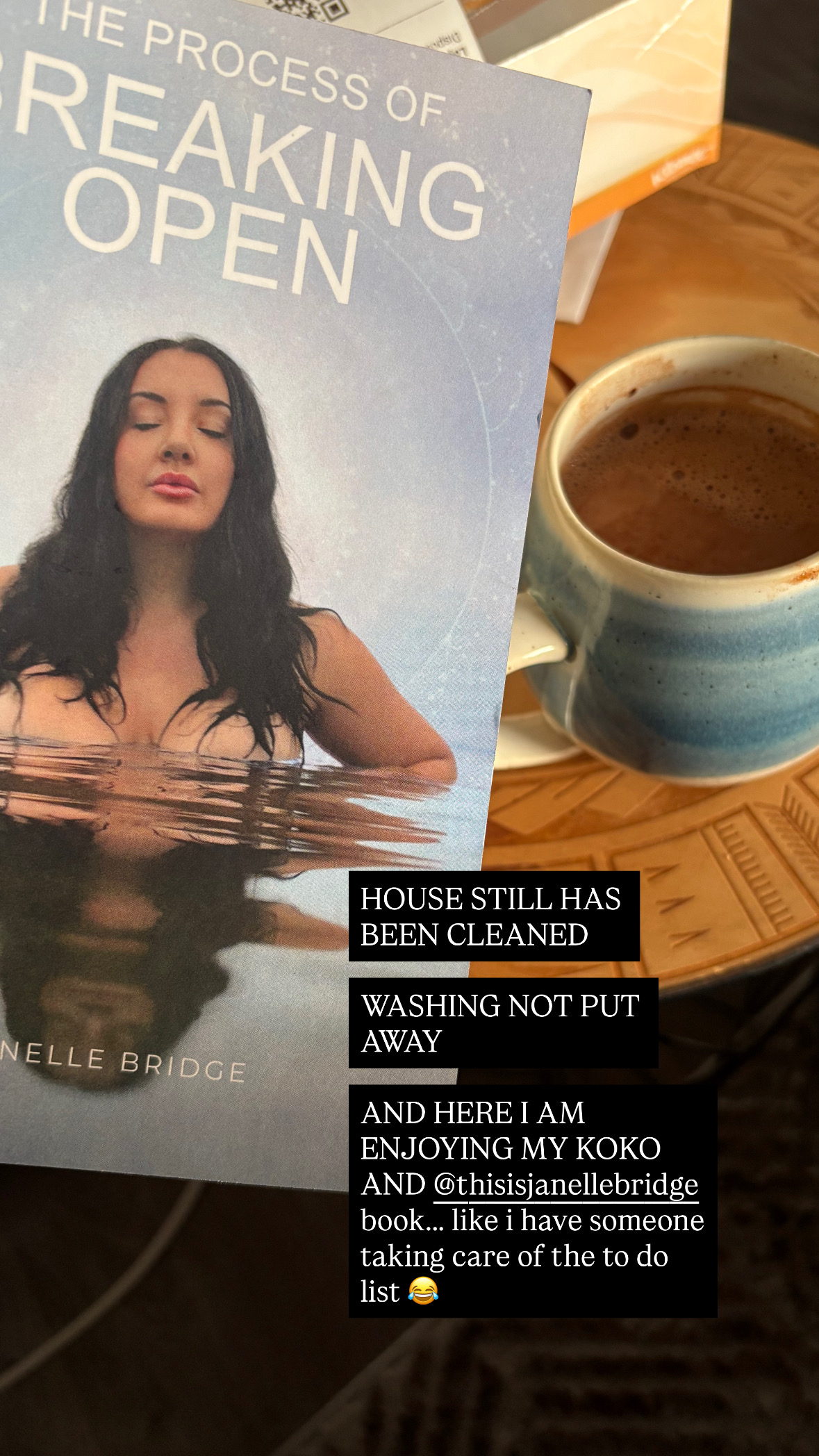
When I finish work…I light a candle, make a cup of koko, wrap myself in a blanket and read a chapter of a book. This weekend it was “The Process of Breaking Open” by Janelle Bridges. 

I’d read a chapter and then pottered around reflecting on the questions she was asking in each. This brought so much gratitude and depth into my weekend and in the simple silence I understand that Winter doesn’t ask us to bloom, it asks us to build strong roots because when spring arrives growth comes naturally – not because we forced it but because we allowed ourselves the time to restore.

This season, give yourself permission to winter.

Slow down.

Gather with those you love.

Nourish your body.

Honour your spirit…put on those headphones lol

And remember that sometimes the most meaningful growth happens beneath the surface, where no one else can see it.

At Living Koko, we believe wellness isn’t found in doing more. Sometimes, it’s found in slowing down enough to remember who we are.

Winter Restore: Rituals of Warmth, Restoration & Gentle Beginnings

Winter Restore: Rituals of Warmth, Restoration & Gentle Beginnings

There is something winter asks of us that summer never does.

Summer calls us outward. Winter calls us home.

Not just to our houses, but back to ourselves.

To slower mornings. To warm cups held between cold hands. To steam rising before the sun fully wakes. To rituals that soften the nervous system and remind the body it is safe.

For many of us, the middle of the year arrives carrying exhaustion. The adrenaline of the first months wears thin. Calendars stay full. The weather cools. Our bodies begin whispering for rest long before we are ready to listen.

And yet, winter has always been a season of restoration. Not laziness. Not stopping. Restoration.

Nature has always understood this. Trees pull inward. The earth slows. Even the ocean changes rhythm.

Perhaps we were never meant to move at the same speed all year long.

At Living Koko, winter reminds us of the old ways. Of kitchens before sunrise. Of cacao prepared slowly. Of tea shared in conversation. Of the comfort found in simple rituals repeated with care.

Not because they are trendy. Because they are human.

The Ritual of Beginning Again

There is power in how we begin the day.

Before the notifications. Before the demands. Before the world asks us to become everything for everyone else.

Winter mornings invite gentler behaviours. A slower start. A deeper breath. A cup made intentionally instead of rushed.

Restoration often begins in the smallest moments. Not in dramatic transformations. But in choosing warmth. Again and again.

A warm drink. A few quiet minutes. A body nourished instead of pushed.

These small rituals become anchors. They tell the nervous system: You do not need to sprint through life to deserve rest.

Why Warmth Matters

Warmth is more than temperature.

Warmth is emotional. Cultural. Ancestral.

Warmth is the memory of someone preparing something for you with care. Warmth is sitting at a table together. Warmth is steam curling into the air while rain taps against the windows. Warmth is feeling held.

For generations across the Pacific, cacao and warm beverages have carried connection. Not simply consumption. Connection.

A pause. A gathering. A moment to settle the spirit.

Modern life teaches us speed. But ritual teaches us presence.

And presence changes everything.

Tea, Cacao & Winter Rituals

This winter, we are leaning into rituals that restore rather than deplete.

Our cacao husk teas and drinking cacao were never created to be rushed. They were created for moments like these.

For mornings where the body needs gentleness. For evenings where the mind needs softening. For people learning how to return to themselves after seasons of overgiving.

Some mornings restoration looks like:

  • Drinking tea before touching your phone
  • Standing barefoot in the early light
  • Taking three deep breaths before the day begins
  • Choosing nourishment instead of urgency
  • Letting warmth reach the body before stress does

These are not grand wellness trends. These are old human rhythms.

And perhaps winter is inviting us back to them.

Singapore, Fang Studio & the Power of Cultural Exchange

Singapore, Fang Studio & the Power of Cultural Exchange

Some journeys don’t change what you are building.
They confirm the path you’ve been walking all along.
Singapore simply reminded us we were being guided, held, and moved with alofa.

Before the expo halls, the long days, swollen feet, and endless cacao samples, we were welcomed into the beautiful space of Fang Studio by Kenny and Min — two people who didn’t simply host us, but embraced us like family.

From the moment we arrived, there was a knowing that this experience would move beyond product and into something far more human…connection, presence, and alofa.

We were also deeply grateful to have my mother, Lucia Henrietta Phoebe (Stanley) Preuss, (Etta) travelling alongside us — the matriarch of our family and one of the quiet pillars behind Living Koko. In the most exhausting moments, when the days became long and our bodies felt heavy, she kept our spirits lifted. Calm, steady, nurturing. The kind of woman who brings gentle power into every room without needing to announce it.

Through her, we were also introduced to her beautiful friend Aunty Pele Dawson, whose alofa wrapped around us throughout the entire trip. There is something sacred about being held by women who carry wisdom, softness, humour, resilience, and cultural understanding all at once.

We felt deeply grateful for the presence, guidance, and experience of such incredible women beside us.

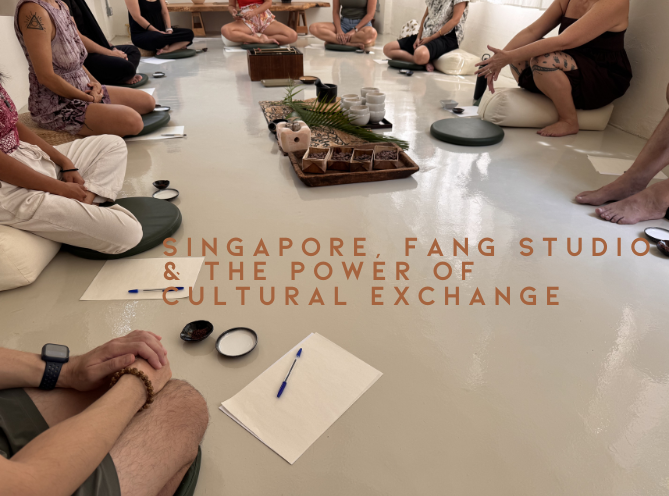
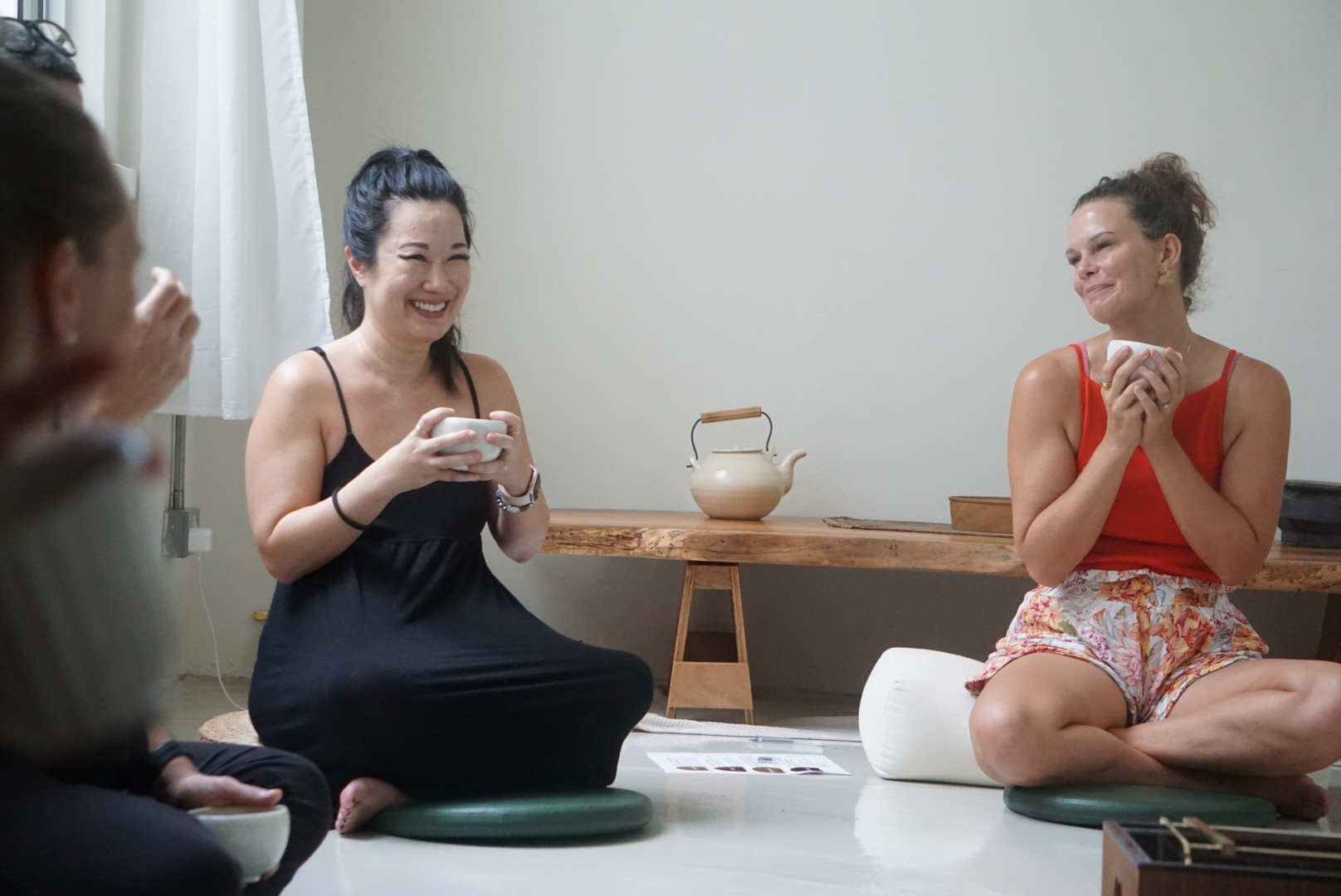
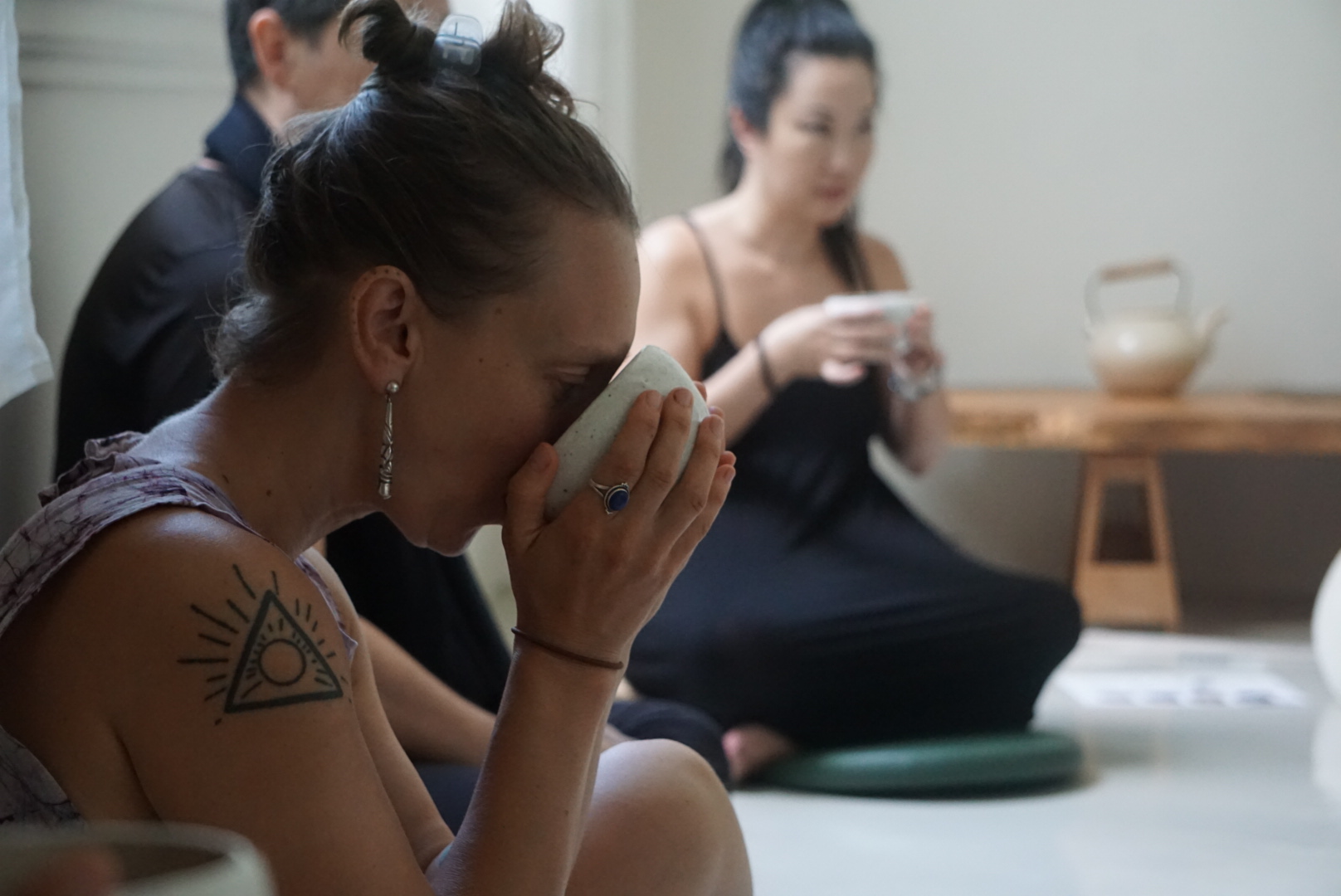
Our time together began with cultural exchange through tea ceremony at Fang Studio. Slow movements. Quiet conversation. The kind of presence that reminds you traditions still matter in a world obsessed with rushing. We shared stories, values, practices, and philosophies from different parts of the Moana and Asia, discovering how deeply connected our cultures already are through ritual, hospitality, and community care.

The following day, we offered a cacao connection gathering for the Fang community and what unfolded was something deeply special.

Through the silent reflection in tending to our cacao – Conversations then opened. Laughter echoed through the room. Emotions surfaced gently, held by cacao, breath, and community. These are the moments that remind us cacao has always been medicine for tender togetherness long before it became a product on a shelf.

Kenny and Min continued supporting us throughout the entire week, alongside an incredible circle of people who gathered around our cacao with so much generosity and belief. They checked in on us, guided us, shared our story, introduced us to people, and quietly advocated for us in rooms we had just stepped into.

Support built through trust, reciprocity, and shared values.

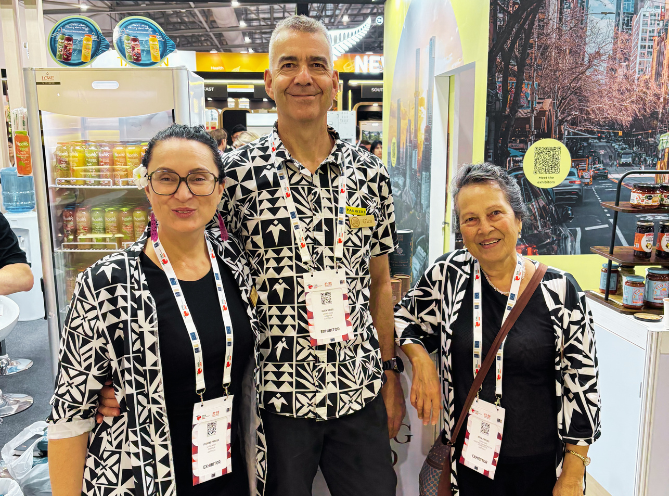
Because of these connections, retailers began arriving at our expo space already knowing about Living Koko. They had heard whispers about “the Samoan cacao women,” about ceremony, about ethical sourcing, about the feeling people experienced drinking our cacao. Instead of cold introductions, we were meeting people already curious, already connected, already wanting to explore what the next step could look like together.

It reminded us that real business still happens through people, community.

Through sitting together before selling to one another.

We are deeply honoured that Fang Studio will continue sharing Living Koko cacao within their space, and we already hope to return later this year to create ceremony together again.

Some collaborations feel transactional.

This never did.

This felt like family finding family across the ocean.

Fa’afetai tele lava Singapore.
We left tired, full-hearted, and deeply grateful.