I get asked this question almost every time I’m at an in-store tasting. ..“Is this ceremonial cacao?” I also receive calls here at Living Koko from people asking if our drinking cacao is “ceremonial grade.”
It is a beautiful question, but one that is not easy to answer.
My response comes from the perspective of an Indigenous Samoan woman who has seen our koko shared in homes, villages, celebrations, moments of grief, acts of service and everyday life. Always with reverence. Always with respect. Not because someone announced that a ceremony was about to begin, but because this is simply our way of being.
When we try to explain Indigenous knowledge through an overseas lens, something can be lost. The complexity can disappear, but so can the beautiful simplicity of it all. So when someone asks me whether our cacao is ceremonial, I often respond with a question of my own.
“What does ceremonial cacao mean to you?”
Interestingly, almost every person pauses. Many have not reflected on this.
Many have listened to a podcast or attended a wellness retreat. They have heard about ceremonial cacao’s magnesium, antioxidants, flavanols or its ability to support heart opening, presence and wellbeing. They know it is different from commercial chocolate, but when asked what actually makes it “ceremonial,” the answer is often difficult to put into words.
And I understand why, because perhaps we have been asking the wrong question.
Instead of asking, “What is ceremonial cacao?” perhaps we could ask,
“How do we enter into right relationship with cacao?”
If we are speaking purely about the product itself, the answer is quite straightforward. Traditional cacao is one ingredient.
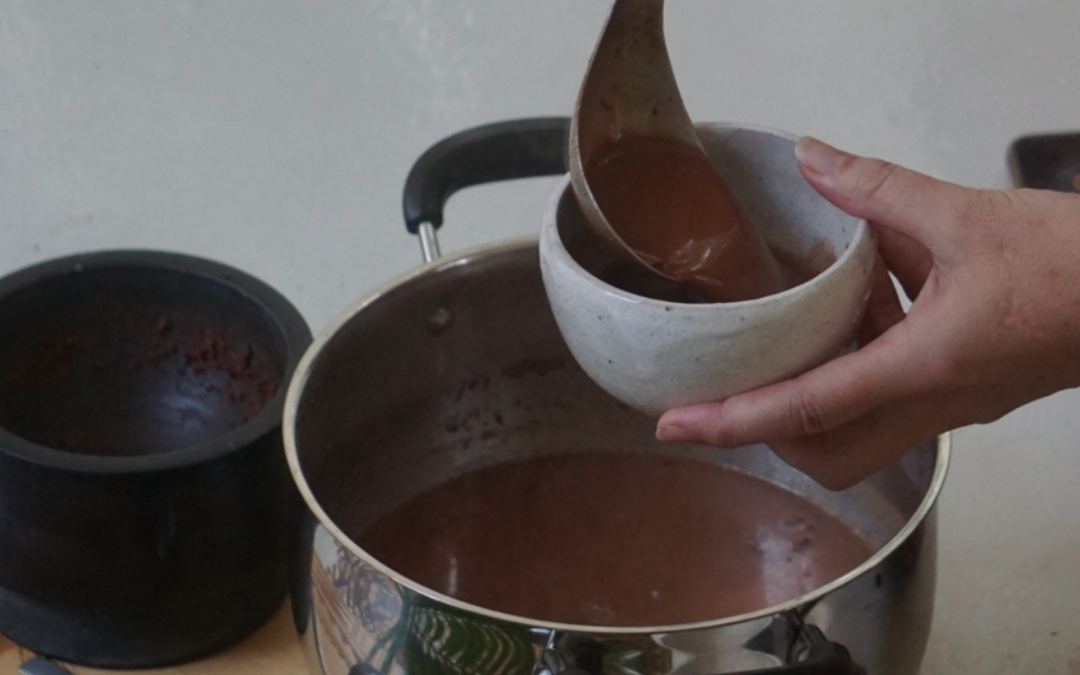
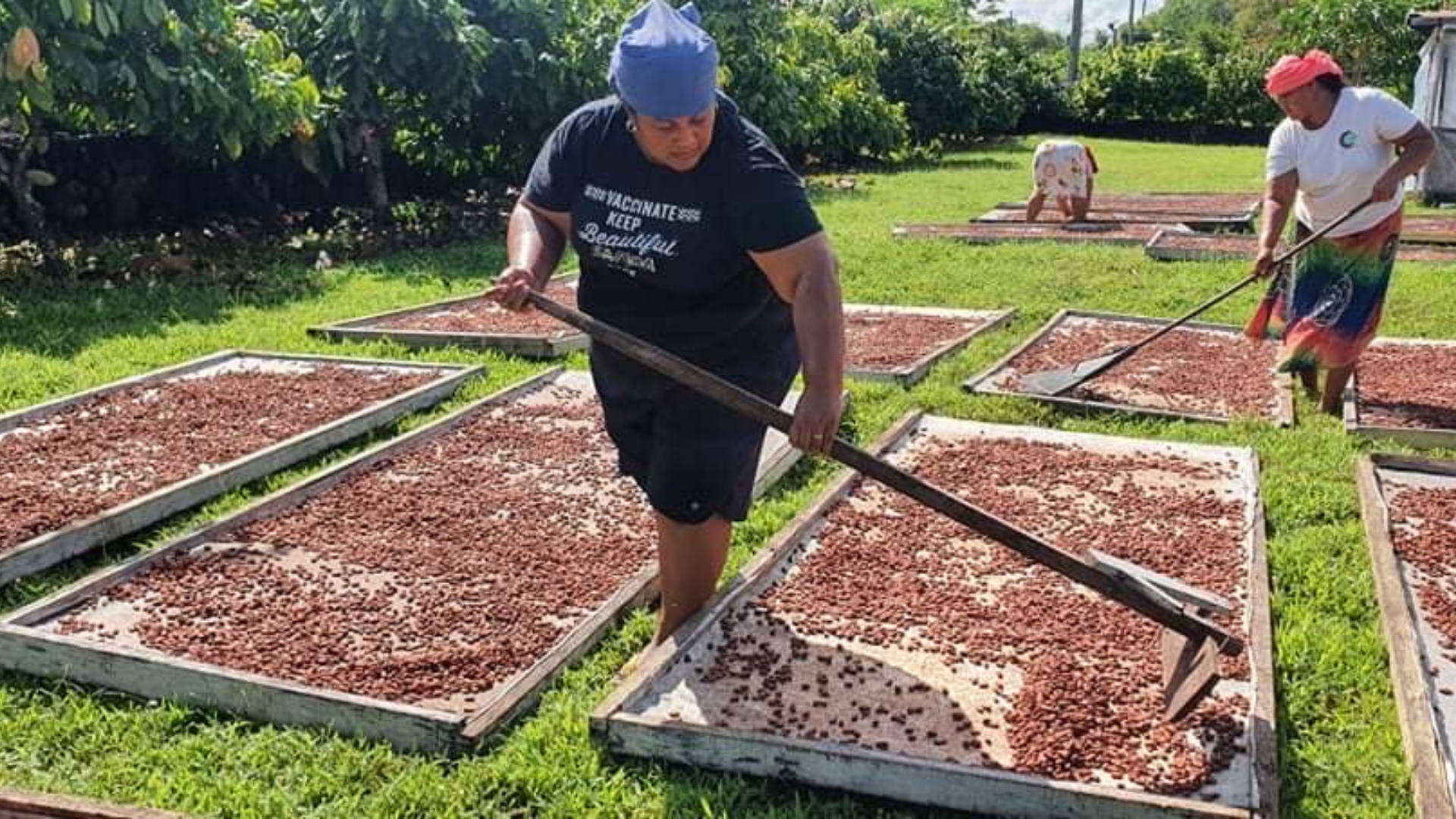
The cacao bean is fermented, dried, roasted and stone-ground into a rich paste. That paste is then formed into blocks that can be grated or chopped, or, as we offer at Living Koko, prepared in a grated form ready to share.
There is no internationally recognised certification known as “ceremonial grade cacao.” The term is not regulated like organic or fair trade. Different growers, makers and communities may use it differently.
But ceremony has never lived inside a certification. 😉
Beyond the Cup: Understanding Vā
Within our Samoan worldview, ceremony was never simply about preparing a cup of koko. It is, and always has been, about the vā.
Vā is often translated as “the space between,” but that translation barely scratches the surface. Vā is not an empty space. It is the sacred relationship that connects all living things. It is the relationship between tagata (people) and fanua (land), between la’au (trees and plants), moana (the ocean), fetu (stars/cosmos), our ancestors and each other.
Vā reminds us that we do not stand above nature. We belong within it.
The relationship with cacao begins long before the bean is harvested. It begins with understanding the land so intimately that there is little need for words. You observe the winds, the rains, the changing seasons and the movement of the fetu. You learn to notice the soil, the insects, the birds and the rhythms that tell you when to act and when to simply wait.
The cacao tree is never alone.
It grows in relationship with the vegetation surrounding it. Each plant contributes something: shade, nourishment, protection, pollination or balance. To care for cacao is to care for the entire ecosystem that sustains it.
There is an unspoken conversation between tagata and fanua – between people and the land. As caretakers listen before we take. We give back as much as we receive. This reciprocity is what sustains both the land and ourselves.
Our ancestors also understood that the fetu were teachers. The stars, the moon, the winds and the seasons were not separate from daily life; they were woven into it. Knowledge was carried through careful observation, story, song, movement and practice over countless generations.
This understanding of vā was never reserved for special occasions…It was lived every day.
So, Is Living Koko Ceremonial Cacao?
If you are asking whether our cacao is a whole cacao product made with respect for the bean and without unnecessary processing, then yes.
If you are asking whether it comes from relationships with farmers, families, culture and land that have been nurtured over generations, then absolutely.
But if the question is whether ceremony somehow exists inside the cacao itself, I would gently offer another perspective.
The ceremony is not contained within the product.
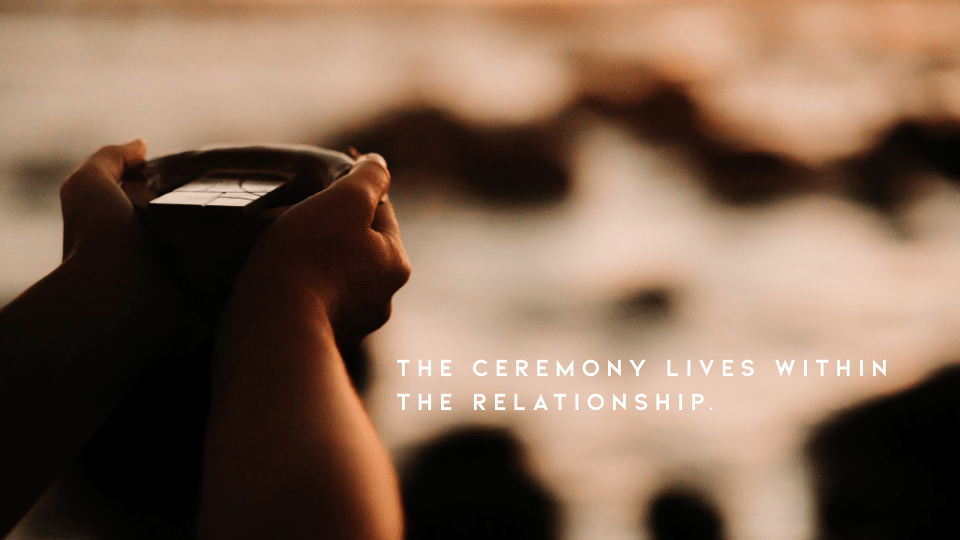
The ceremony lives within relationships.
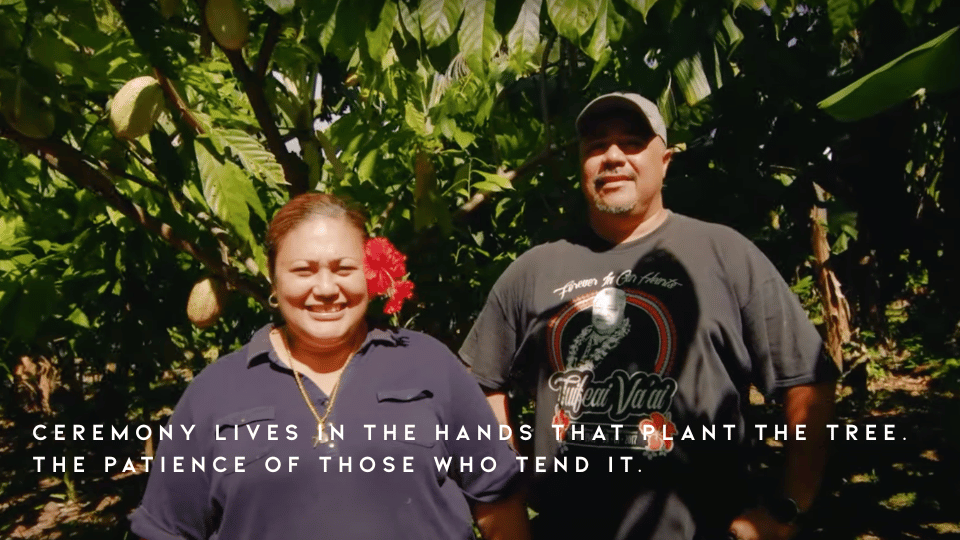
It lives in the hands that plant the tree.
The patience of those who tend it.
The wisdom that understands the land.
The gratitude offered before the harvest.
The respect shown to the people who grew it.
The intention carried by the person preparing the cup.
The presence of those who gather to share it.
The cup simply becomes a meeting place for those relationships.
So…For me, the most important question is no longer,
“Is this ceremonial cacao?”
It is,
“How are we honouring this cacao?”
Are we acknowledging the farmers?
Are we recognising the land that nourished it?
Are we approaching it with gratitude instead of consumption?
Are we entering into vā?
Long before cacao became part of modern wellness culture, it already carried stories.
Stories of our lands, Stories of our people, Stories of our resilience, Stories of our reciprocity.
Perhaps that is what ceremony has always been – Not something we create – But something we remember.
Every cup of cacao is an invitation to remember our place within the living relationships that sustain us – to the fanua, to the fetu, to one another, and to the generations who have cared for this knowledge before us.
For us at Living Koko, that is what we honour every time we share our koko.